

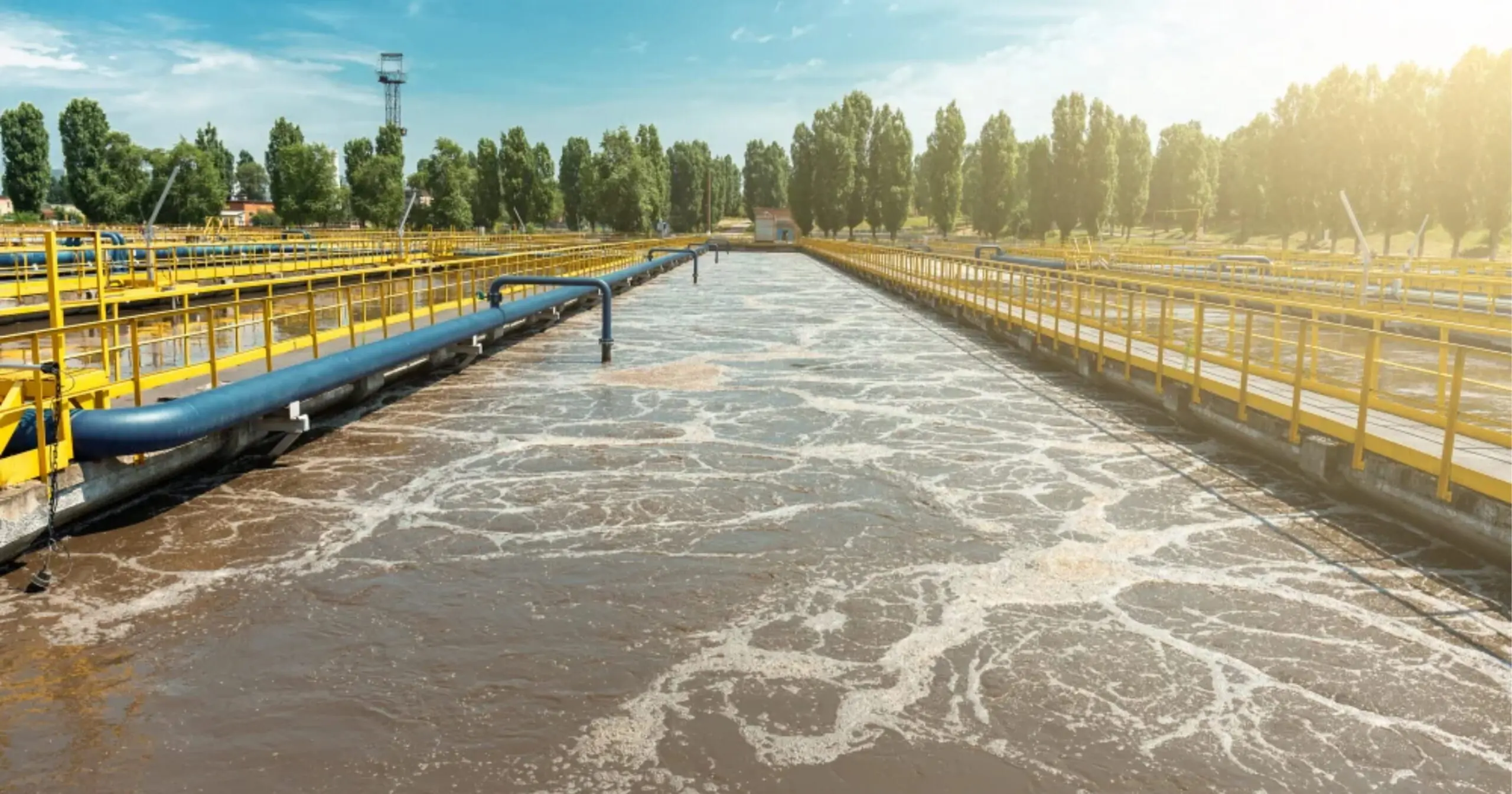


The price on a treatment invoice rarely tells the whole story. Wastewater treatment costs also appear as laboratory bills, equipment repairs, operator hours, disposal charges, and production interruptions. For facilities managing industrial wastewater, those expenses may sit in separate department budgets and escape review until spending exceeds the forecast.
Effective budgeting starts by tracking the work required to manage each waste stream, not just the rate charged to process it. A useful forecast captures recurring expenses, occasional maintenance events, and the cost of responding when normal treatment arrangements are unavailable. Understanding wastewater treatment costs before production changes helps prevent an optimistic estimate from becoming an unreliable budget.
Why Wastewater Treatment Costs Exceed the Quoted Rate
A per-gallon or per-load price offers a useful starting point, but two waste streams of equal volume may have different handling requirements. Solids, oil, dissolved metals, treatment chemicals, and variations in concentration can affect testing, processing, and acceptance decisions.
The unit used for billing also matters. An article on waste treatment billing discusses charges based on gallons, tank size, loads, or weight. Facility managers should understand which method their provider uses and whether transportation, sampling, and special handling are included.
An accurate estimate separates fixed obligations from costs that rise with volume or contamination. Doing so makes wastewater treatment costs easier to compare across months without assuming the lowest quoted rate produces the lowest annual expense.

Testing and Waste Characterization Are Real Budget Items
A new industrial wastewater stream may require initial sampling, laboratory analysis, and treatment compatibility review before a receiving facility accepts it. Changes in raw materials, cleaning agents, or production methods can trigger additional testing.
Testing expenses extend beyond laboratory fees. Employees may spend time collecting representative samples, arranging shipment, reviewing results, and updating profiles. Repeating that process raises wastewater treatment costs without changing the disposal volume.
Build these activities into the forecast by separating routine testing from one-time or event-driven analysis. Facilities evaluating wastewater treatment services should confirm sample requirements and acceptance criteria early, rather than treating profiling as a last-minute administrative step.
Compliance Costs Continue After Permits Are Issued
Compliance costs do not end with obtaining an authorization. Applicable discharge requirements can involve monitoring, recordkeeping, reporting, equipment calibration, inspections, and employee training. EPA’s industrial pretreatment responsibilities describe self-monitoring and reporting obligations for industrial users, with additional requirements for certain regulated facilities.
The exact workload depends on the wastewater stream, discharge route, and governing requirements. A facility sending wastewater to a municipal treatment works may face different duties from one discharging under an individual permit or shipping waste for offsite treatment.
Budgeting should assign labor and outside laboratory expenses to the same cost center as permit administration. EPA’s guidance on Clean Water Act monitoring also illustrates why inspection readiness and documented controls deserve ongoing attention. Underfunded compliance costs can create avoidable operational exposure, even when the treatment equipment performs correctly. As a result, wastewater treatment costs may rise while discharge volume stays the same.
Energy, Chemicals, and Maintenance Change the Math
For onsite systems, wastewater treatment costs include pumps, mixers, aeration equipment, chemical feed systems, controls, and the labor needed to operate them. Power consumption may vary with production flow, while chemical demand can change as wastewater composition shifts.
Pumping is worth measuring rather than assuming it is negligible. The Department of Energy’s industrial pumping guidance reports that pumps account for 27% of electricity used by industrial systems in manufacturing. That sector-wide figure is not an estimate for any individual wastewater facility. Metered operating hours and electricity rates provide a stronger estimate than using last year’s general utility allocation.
Maintenance budgets also need room for sensor replacement, calibration, clogged pumps, membrane cleaning, and unexpected equipment repairs where applicable. An older treatment system may have low direct processing charges yet generate higher wastewater treatment costs through overtime, spare parts, and recurring downtime.
Sludge and Other Residuals Need Their Own Line
Treatment does not always make contaminants disappear. It can transfer them into sludge, filter cake, spent media, or concentrated liquid that requires further management. The volume and characteristics of those residuals determine storage, transportation, testing, and final disposal needs. Wastewater treatment costs can rise if filter cake requires additional testing or conditioning before acceptance.
EPA’s cost accounting guidance explains why assigning costs to specific wastewater activities can reveal expenses hidden within broader operating accounts.
For example, a dewatering process may reduce the volume shipped while adding polymer consumption, operator time, equipment maintenance, and filter cake handling. The appropriate comparison is total cost for the finished residual, not simply the amount removed from the wastewater. Residual handling belongs in wastewater treatment costs even when another contractor manages the final shipment.
Transportation, Storage, and Scheduling Affect the Bill
When industrial wastewater leaves the property, the budget must consider more than a receiving facility’s treatment rate. Hauling distance, access restrictions, pickup frequency, container rental, loading time, and the amount carried per trip can all affect the final expense.
A suitable industrial waste transport solution should match the stream and loading conditions. Low-volume facilities may pay more per unit when pickups are too frequent or loads are underfilled. Fuel surcharges and container fees also belong in wastewater treatment costs. Comparing onsite and offsite costs requires these logistics to be visible rather than absorbed into unrelated operating accounts.
EPA’s centralized waste treatment guidance describes specialized facilities that receive different types of industrial waste for treatment. Acceptance is stream-specific, so arranging a suitable destination before a tank reaches capacity is part of realistic budgeting.
Plan for Shutdowns and Unexpected Wastewater Volume
Annual forecasts often use average monthly volume, even though the most expensive weeks may coincide with tank cleaning, maintenance shutdowns, or process changes. A routine operation can generate a separate batch of industrial wastewater when equipment is drained or a production line is cleaned.
Scheduling planned plant shutdowns alongside treatment and hauling capacity can prevent those expenses from arriving as surprises. The budget should distinguish predictable shutdown volumes from emergency storage and pickup arrangements. Establishing offsite treatment contingency plans ahead of time can make those alternatives easier to evaluate.
A contingency allowance should be based on actual exposure rather than an arbitrary percentage. Review past high-volume periods, equipment failures, rejected loads, and the cost of temporary alternatives. The goal is not to predict every disruption but to recognize how quickly wastewater treatment costs can increase when normal capacity is unavailable.
Build a Budget That Reflects the Entire Waste Stream
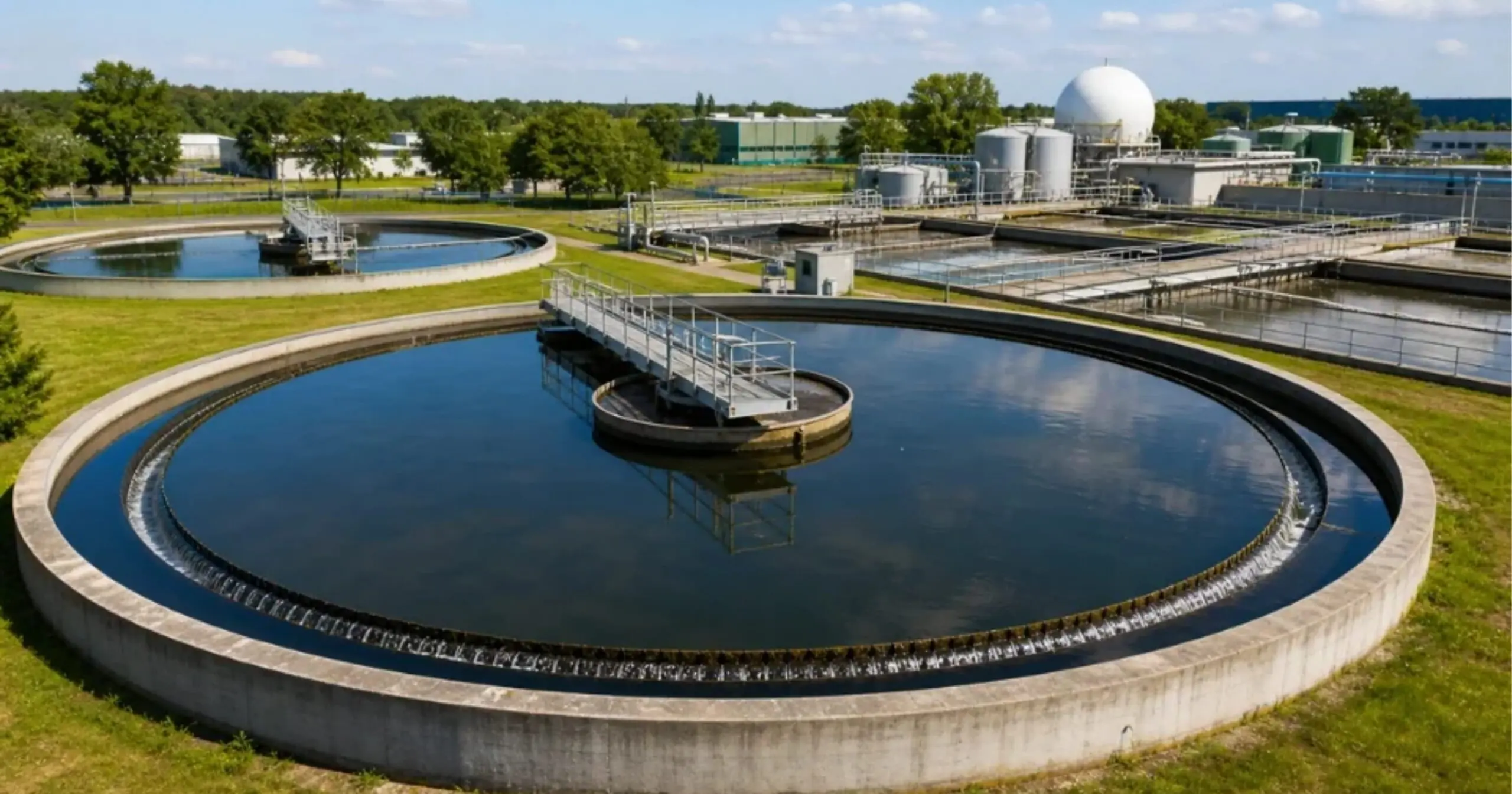
A defensible wastewater budget combines treatment fees with sampling, compliance costs, utilities, maintenance, residual handling, transport, and contingency capacity. Assign each item an owner, a unit of measure, and a review frequency so facilities can compare actual spending with their forecast.
Review costs alongside flow and analytical data. A higher monthly bill may reflect more wastewater, a stronger waste stream, or a change in pickup patterns. Tracking those drivers is more useful than looking only at the final invoice and makes next year’s budgeting less speculative. Putting wastewater treatment costs in one report helps operations and finance explain changes against volume, chemistry, and timing.
Conclusion
Wastewater treatment costs become more predictable when facilities account for the work surrounding treatment, not just the processing price. Testing, compliance obligations, maintenance, residuals, transportation, and operational disruptions can all change the annual total. A budget built around actual waste characteristics and operating patterns gives decision-makers a clearer basis for controlling spending without compromising proper handling.
Environmental Remedies provides non-hazardous wastewater treatment and waste-handling coordination for facilities evaluating their disposal requirements and associated costs.
Request a quote to discuss your industrial wastewater stream and the treatment, transportation, and handling requirements that affect your budget.
Frequently Asked Questions About Wastewater Treatment Costs
What factors affect industrial wastewater treatment costs?
Industrial wastewater treatment costs depend on wastewater volume, contaminant concentrations, treatment requirements, and disposal methods. Additional expenses may include laboratory testing, regulatory compliance, energy consumption, equipment maintenance, sludge disposal, and transportation. Facilities should evaluate all these factors rather than relying solely on quoted per-gallon treatment rates.
What hidden costs should facilities include in their wastewater treatment budgets?
Commonly overlooked wastewater treatment costs include waste stream characterization, laboratory testing, compliance monitoring, equipment repairs, residual disposal, hauling fees, and contingency planning. These expenses may be distributed across different departmental budgets, making them difficult to track. Consolidating them into a comprehensive wastewater budget helps facilities better understand their total operating expenses.
How can facilities calculate their total wastewater treatment costs?
Facilities can calculate total wastewater treatment costs by combining direct treatment fees with sampling, compliance, utilities, maintenance, residual handling, transportation, and contingency expenses. Tracking these costs alongside wastewater volume and characteristics helps identify spending patterns and improve future budget accuracy.
Is onsite or offsite wastewater treatment more cost-effective?
The most cost-effective option depends on wastewater characteristics, treatment volume, available infrastructure, and operating requirements. Onsite treatment involves equipment, utilities, chemicals, maintenance, and labor, while offsite treatment typically includes processing, transportation, storage, and handling fees. Comparing total annual expenses provides a more accurate assessment than evaluating treatment rates alone.
How can facilities reduce unexpected wastewater disposal costs?
Facilities can reduce unexpected wastewater disposal costs by scheduling routine maintenance, monitoring waste stream characteristics, coordinating transportation, and planning for production shutdowns. Reviewing historical wastewater volumes, equipment failures, and emergency hauling expenses can also help establish realistic contingency budgets and minimize unplanned spending.