

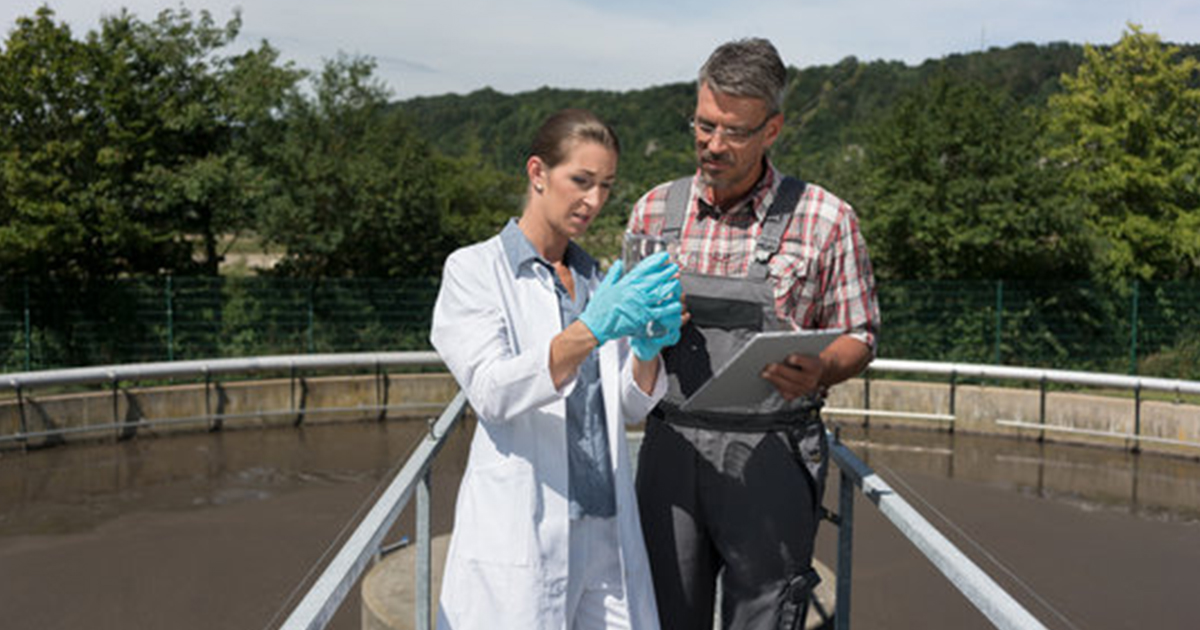


Wastewater can become an operational problem long before it becomes an environmental one. A pump failure, unexpected production change, difficult waste stream, or missed sampling requirement can strain people and equipment at the same time, which is why offsite wastewater treatment can be a practical risk-control option for facilities managing wastewater compliance and day-to-day production demands.
Moving treatment away from the production site does not erase responsibility for proper handling. It can, however, reduce the number of treatment variables a facility must control internally while creating a clearer path for industrial waste disposal, transportation, and documentation.
Onsite Treatment Adds Operational Exposure Beyond the Treatment Process
An onsite treatment system is its own operating unit. Pumps, tanks, controls, chemical feed systems, sampling points, and treatment stages all need attention if the system is expected to perform consistently while production continues.
Staffing adds another layer. Operators need time for monitoring, maintenance, recordkeeping, and troubleshooting, and an equipment problem can quickly turn into a wastewater compliance problem if treatment performance falls at the wrong moment.
Production changes can make that burden harder to manage. New cleaning chemistry, higher volumes, maintenance washdown, or a different raw material can change wastewater characteristics and force the treatment team to respond without disrupting the rest of the plant.
A centralized wastewater treatment plant gives facilities another route when maintaining that treatment depth onsite no longer fits the operation. The value is not simply removing equipment from the property. It is reducing how many specialized treatment tasks compete with production, maintenance, and facility priorities.
Offsite Wastewater Treatment Moves Specialized Work to Dedicated Infrastructure
The EPA’s Centralized Waste Treatment Effluent Guidelines cover facilities that receive metal-bearing, oily, organic, and mixed industrial wastes or wastewater from off-site sources. Dedicated treatment facilities are built around receiving and processing outside waste streams rather than treating wastewater as a secondary function of manufacturing.
That distinction can reduce operational risk when a site’s wastewater changes faster than its own treatment system can comfortably absorb. Offsite wastewater treatment may provide access to broader storage, laboratory support, and treatment processes without requiring the generator to install and operate every capability onsite.
Capacity and Process Flexibility Matter When Wastewater Changes
Unexpected volume is often an operations issue before it is a treatment issue. Tank space can disappear quickly during a shutdown, cleanout, or production upset, leaving facility teams to balance wastewater storage against maintenance schedules and plant uptime.
A properly planned industrial waste disposal program creates another outlet for compatible material when internal capacity is tight.
Offsite wastewater treatment can therefore act as a pressure-release option in a larger waste management strategy, especially when the receiving facility has confirmed that a stream fits its treatment capabilities.
Characterization Supports Better Routing Before a Load Leaves the Site
Sending wastewater offsite works best when the material is understood before transportation begins. Sampling, characterization, and acceptance procedures help match a waste stream with a treatment path and reduce the chance of a rejected load or last-minute disposal change.
The EPA notes that its industrial effluent guidelines now cover 59 industrial categories and apply to about 40,000 direct dischargers and 129,000 facilities that discharge to municipal treatment plants. Different industries and discharge pathways can carry different requirements, so good wastewater compliance starts with knowing what the facility is generating rather than treating every load as interchangeable.
Better Waste Management Depends on Transportation and Documentation
Offsite treatment adds a logistics step, so the risk conversation cannot stop at the treatment plant gate. Pickup timing, storage capacity, tanker availability, access conditions and receiving hours all affect whether wastewater leaves the site without interfering with production.
A coordinated waste transportation plan gives operations teams a defined path from accumulation to pickup. That structure matters when industrial waste disposal is recurring because rushed hauling decisions can create avoidable schedule changes, storage pressure, and documentation gaps.
Recordkeeping matters as well. The EPA states that industrial users subject to pretreatment requirements may have obligations involving self-monitoring, reports, notifications, and records, depending on the facility and discharge pathway.
Offsite wastewater treatment should fit into that existing wastewater compliance framework rather than sit outside it. Load records, profiles, analytical results, acceptance records and disposal documentation can give facility teams a clearer history of where material went and how the waste management process was handled.
A second planning advantage is contingency capacity. If an onsite system is temporarily unavailable during maintenance or a process change creates a stream that should not enter the normal treatment train, a prequalified offsite wastewater treatment route can keep the event from becoming an improvised disposal decision.
Planning matters because transport and treatment capacity are not infinite. Establishing waste profiles, pickup procedures, and receiving contacts before a problem occurs gives facility teams a defined alternative they can evaluate against production schedules, storage limits, and wastewater compliance needs.
Outsourcing Treatment Does Not Outsource Every Responsibility
A lower-risk operating model still requires sound decisions at the generating facility. Wastewater must be stored appropriately, characterized for the intended outlet, and routed to a facility that can accept it under the applicable requirements.
The EPA’s industrial waste management guidance emphasizes informed decision-making for non-hazardous industrial waste. That principle matters when selecting any industrial waste disposal route because a third-party treatment provider cannot correct poor information about a waste stream it receives.
Facilities using offsite wastewater treatment should also confirm how wastewater is handled after pickup rather than assuming the process ends when a truck leaves the property. Understanding where wastewater is going can support stronger vendor oversight, clearer records, and a more defensible waste management process.
Offsite wastewater treatment reduces operational risk most effectively when responsibility becomes better organized, not ignored. The facility keeps control of generation, characterization, and vendor oversight while specialized treatment work moves to infrastructure designed to perform it.
Make Offsite Wastewater Treatment Part of a Lower-Risk Plan
Operational risk grows when wastewater competes with production for equipment, labor, storage and attention. Offsite wastewater treatment can create a more manageable path when onsite treatment capacity or staffing no longer matches the waste stream.
Environmental Remedies provides wastewater treatment, transportation, and industrial waste disposal support, with treatment and waste management services built around industrial operating needs.
Reach out today to discuss a wastewater handling plan that supports wastewater compliance while reducing avoidable pressure on your facility’s daily operations.