

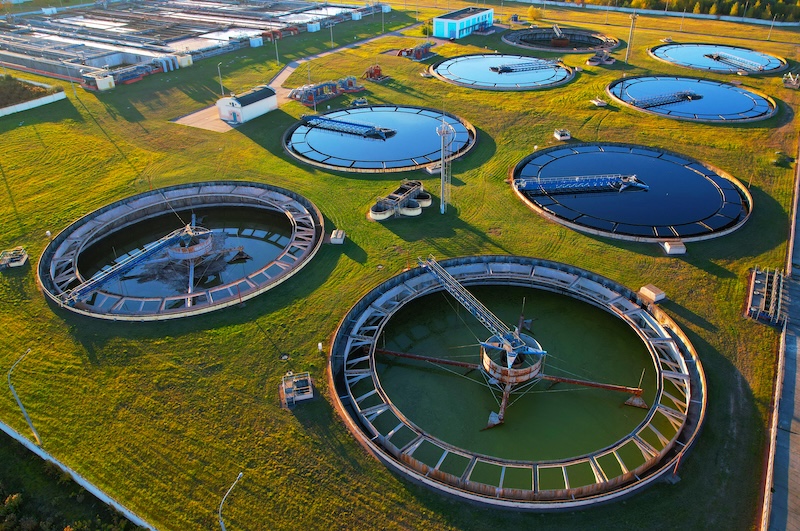


For many industrial sites, offsite waste treatment looks expensive at first because hauling, receiving, and processing fees are easy to see. Onsite treatment can look cheaper because labor, maintenance, wastewater disposal services, waste transportation, industrial waste management, and total cost of ownership are often scattered across different budgets.
A useful cost comparison starts with the full work required to handle the waste stream. The cheapest option on paper can become the most expensive once staffing, downtime, storage, testing, permits, and system failures are factored in.
Why The Lowest Treatment Price Rarely Tells The Whole Story
Onsite treatment usually feels controlled. The system is nearby, the team can see the tanks, and the facility avoids routine hauling charges when treatment works as planned.
Hidden costs begin when the process needs attention. Operators must monitor flow, adjust chemistry, sample wastewater, clean tanks, manage residuals, and respond when a waste stream changes.
Offsite waste treatment shifts much of that work to a facility built around receiving and processing industrial wastewater. The EPA describes centralized waste treatment facilities as operations that receive difficult off-site industrial wastes, including metal-bearing, oily and organic materials, for treatment, recovery or disposal.
Cost savings depend on how much value the plant gets from keeping treatment onsite. A steady, simple stream may justify on-site infrastructure, while variable waste often makes off-site waste treatment easier to budget for.
The Total Cost Of Ownership Behind Onsite Treatment
The total cost of ownership for onsite treatment includes capital equipment, installation, utilities, chemistry, maintenance, sampling, operator time, sludge handling, and replacement planning. Those costs do not always land in one line item, which makes onsite treatment look cleaner than it is.
NIST reported that U.S. manufacturers spent $50 billion on reported maintenance and repair in 2016, and that maintenance is also tied to downtime and lost productivity. Wastewater systems are part of that same operating reality when pumps, probes, mixers, clarifiers, or controls need repair.
A fair total cost of ownership review should also include what happens when the system cannot keep up. Production changes, stronger wastewater, stormwater intrusion, or a missed maintenance cycle can force emergency hauling, temporary storage needs, or outside troubleshooting at premium rates.
Offsite waste treatment changes the financial structure. The facility still pays for treatment, but the cost is tied more directly to volume, waste profile, waste transportation, and disposal pathway instead of long-term ownership of a treatment system.
Where Waste Transportation Raises Or Reduces The Bill
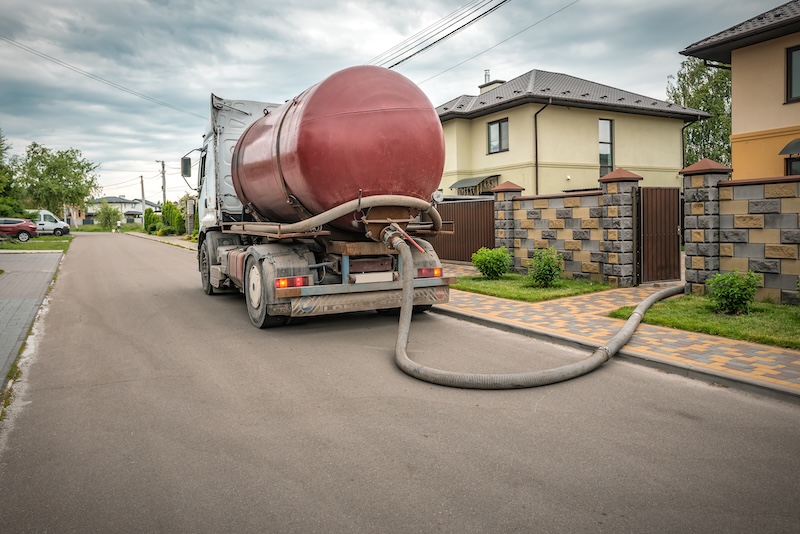
Waste transportation is the obvious cost in offsite treatment, so it deserves real attention. Distance, access, volume, container type, loading time, tanker availability and scheduling can all influence the delivered price.
Hauling can still reduce total spend when it prevents higher onsite costs. A facility that sends intermittent wastewater, sludge, wash water or tank cleanout waste to wastewater disposal services may avoid paying year-round for equipment and operators that sit underused between events.
Waste transportation also affects operational timing. Coordinated pickups can keep storage from backing up production, while poor scheduling can create idle crews, rented tanks or rushed disposal decisions.
Offsite savings usually improve when a facility consolidates loads, accurately characterizes waste, and plans cleanouts around production schedules. Sporadic emergency calls cost above organized industrial waste management built around known volumes and predictable service windows.
How Regulation And Permitting Affect The Real Cost
Wastewater cost is not just a treatment question. In Georgia, EPD states that a permit is required for any facility that intends to discharge, land apply or inject wastewater or fluid within the state, and industrial pretreatment permits may apply when process wastewater goes to a POTW.
Onsite discharge can involve sampling, reporting, recordkeeping, inspections and permit-driven operating limits. The EPA explains that local pretreatment limits are designed to protect the POTW, receiving waters, workers and sludge disposal practices.
Offsite waste treatment does not eliminate a generator’s responsibility to manage waste properly, but it can reduce the amount of treatment infrastructure and discharge administration handled on-site. That matters when internal EHS teams are already stretched across air, water, safety, hazardous materials and production support.
The decision should be based on risk exposure as well as price. A lower monthly operating cost is less persuasive when the facility is one upset condition away from nonroutine hauling, retesting, rework or a production delay.
When Wastewater Disposal Services Start To Save Money
Wastewater disposal services make the most sense when a facility has variable waste streams, limited treatment capacity, limited labor, or recurring maintenance disruption. Batch manufacturing, seasonal production, plant shutdowns, and tank cleanouts often fit that pattern.
A centralized wastewater treatment model can also support industrial waste management when several waste types need different handling paths. One facility may need treatment for oily water, another may need solids handling, and another may need transport for containerized waste generated during a shutdown.
Several questions usually reveal the better financial path:
- How often does the onsite system need maintenance, chemicals, sampling, or operator adjustment?
- What does downtime cost if wastewater storage or treatment slows production?
- How much of the budget is tied to ownership instead of actual waste volume?
- How predictable are waste transportation needs across normal months and shutdown events?
- What would change if wastewater disposal services were priced against total cost of ownership instead of per-gallon treatment alone?
A site that answers those questions honestly may find that onsite treatment still works. Another facility may find that offsite waste treatment gives it cleaner costs, fewer surprises, and a better match between spending and actual waste generation.
Using Industrial Waste Management Data To Choose The Better Option

Good industrial waste management decisions depend on measured information. Flow volume, pH, solids, oil and grease, metals, organics, storage limits, treatment residues and loading access all affect the real cost of each option.
Full-cost thinking helps keep the comparison honest. The EPA notes that full cost accounting identifies, sums and reports actual costs, including past and future outlays, overhead and operating costs.
Industrial facilities can apply the same logic when comparing on-site and off-site treatment. The goal is not to pick the smallest invoice, but to understand every cost connected to owning, operating, maintaining, hauling and disposing of waste.
Offsite waste treatment often wins when onsite equipment is aging, staff time is constrained, or waste volume does not justify a dedicated system. Onsite treatment may still make sense for stable, high-volume streams when the facility has the permits, people and equipment to manage the full process well.
Finding The Better Offsite Waste Treatment Fit
The right option is the one that lowers total cost without creating new operational pressure. Offsite waste treatment can save money by replacing underused infrastructure, reducing the maintenance burden, strengthening scheduling, and giving wastewater disposal services a clearer role in the plant’s budget.
We help facilities compare waste stream profiles, waste transportation needs and industrial waste management goals so the decision is based on practical operating data rather than a single disposal quote.
Reach out to Environmental Remedies to review your waste stream and see whether offsite waste treatment is the better cost path for your facility.