

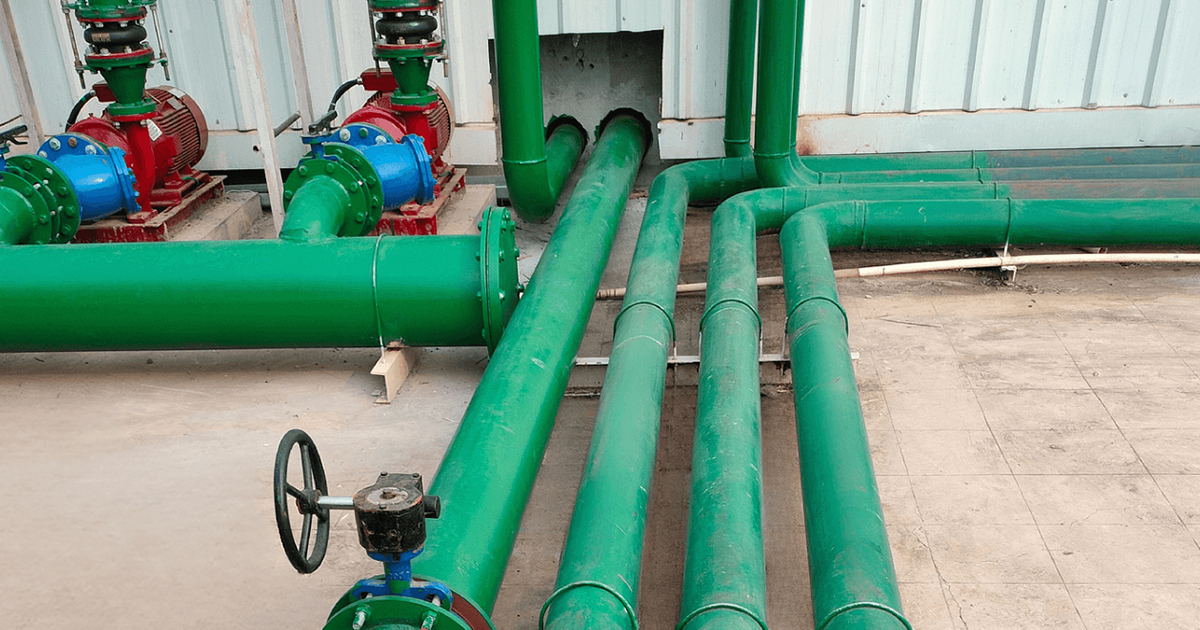


AI data center water consumption is becoming a facility-planning issue as higher-density computing pushes both cooling demand and data center energy consumption upward. The water question goes beyond gallons entering a site, because cooling choices can also change the volume and chemistry of wastewater that has to be reused, discharged or treated.
Artificial intelligence workloads add pressure to an operating system that already depends on continuous heat removal. Facility teams planning new capacity need to look at power, cooling and wastewater treatment together, since an improvement in one part of the system can shift costs or constraints somewhere else.
AI Workloads Change the Water Picture Along With the Energy Picture
AI growth matters because the servers built for training and inference use a large amount of electricity and produce heat that has to be removed around the clock. The U.S. Department of Energy reported that data centers used about 4.4% of total U.S. electricity in 2023, with use projected to reach roughly 6.7% to 12% by 2028.
AI data center water consumption does not translate into one fixed amount of water as data center energy consumption rises. Cooling design, climate, equipment density and the electricity supply all affect the final water footprint, so comparing facilities on a single gallons-per-server figure can hide important differences.
Berkeley Lab estimated that U.S. data centers consumed 66 billion liters of water directly in 2023, with most direct use tied to hyperscale and colocation facilities. The same report estimated an indirect water footprint near 800 billion liters through electricity generation, showing why data center water consumption can extend well beyond the cooling plant itself.
Cooling Choices Decide How Much Water Becomes a Waste Stream
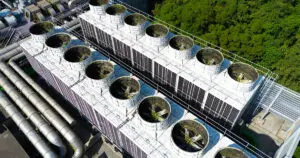
Many facilities rely on evaporative cooling because water can carry heat away efficiently, yet evaporation leaves dissolved minerals behind in the circulating loop. This is where evaporative cooling wastewater becomes part of the operating picture rather than a separate housekeeping issue.
The EPA explains that cooling-tower water leaves through evaporation, blowdown, drift, and leaks or overflows. Blowdown removes a portion of concentrated water so dissolved solids do not keep building in the loop, which means higher heat rejection can affect both make-up water demand and the wastewater stream leaving the system.
AI data center water consumption therefore depends partly on how cooling water chemistry is managed. A facility that changes tower operating conditions, adds new high-density racks or expands cooling capacity may also change blowdown volume, dissolved-solids concentration and the amount of data center wastewater treatment needed during normal operation or maintenance.
Higher Water Demand Makes Wastewater Capacity a Design Question
As AI data center water consumption increases, wastewater treatment planning works best when it starts with realistic flow and chemistry assumptions rather than average water-use numbers alone. Cooling tower blowdown, filter backwash, loop drains, cleaning water and commissioning flushes can arrive at different times and carry different concentrations of solids or treatment chemicals.
Steady daily wastewater can usually be planned around known storage and treatment capacity, while maintenance events may create short periods of much higher flow. A site that looks manageable on an annual water balance can still run into tank, hauling or receiving limits during a flush, cleanout or cooling-system drain.
Operating choices can materially change that load. The Department of Energy notes that raising cooling-tower cycles of concentration from three to six can reduce make-up water by 20% and blowdown by 50%, although the practical limit depends on source-water quality and treatment chemistry.
Lower blowdown volume does not automatically make wastewater simpler, since the remaining stream may contain a higher concentration of dissolved material. Facilities may need to compare on-site capability with wastewater treatment services that can receive and process suitable non-hazardous industrial streams when internal capacity is limited.
Water Reuse Can Reduce Demand While Creating a Different Residual Stream
As AI data center water consumption grows, water reuse can reduce demand for fresh make-up water, but it does not remove the need to understand what happens after each cooling cycle. Treatment systems still have to manage dissolved solids, hardness, filtration residuals and other constituents that are separated from the reusable water.
The EPA’s Quincy, Washington, data center case study offers a practical example. A dedicated industrial treatment and reuse system saves an estimated 138 million gallons of water per year by treating cooling-water blowdown and returning much of the treated water for another cooling pass.
Quincy also shows why reuse is a wastewater treatment project as much as a conservation project. Softening, ultrafiltration and reverse osmosis create concentrated brine and residuals that still need a defined management path, so reuse changes the waste profile instead of making it disappear.
Planning AI Growth Around Water and Wastewater Capacity
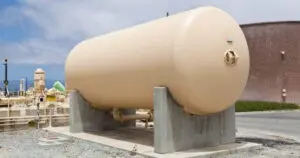
A useful plan for AI data center water consumption starts by connecting projected computing growth to cooling demand, make-up water, blowdown and maintenance flows.
Data center energy consumption forecasts can help establish the direction of growth, but site teams still need local water chemistry, cooling configuration and operating data before they can estimate wastewater volumes with confidence.
Sampling and metering can show when AI data center water consumption assumptions stop matching actual operation. Flow meters on make-up and blowdown lines, conductivity trends and records from flushes or cleanouts can help teams see whether data center water consumption is rising because of real load growth, control settings or avoidable losses.
Disposal planning also needs room for unusual events. Data center wastewater disposal can become harder when a high-volume flush or concentrated blowdown stream arrives without enough storage, characterization or receiving capacity already lined up.
AI data center water consumption is ultimately a systems problem, not a single utility metric. Facilities that connect energy growth, cooling design, wastewater treatment and disposal capacity early have a better basis for deciding where conservation, reuse, off-site treatment or infrastructure changes will provide the most practical value.
Plan AI Data Center Water Consumption Before the Next Expansion
The real planning challenge is not simply how many gallons an AI facility uses. AI data center water consumption ties computing growth to cooling choices, wastewater volume, treatment capacity and realistic reuse options.
Environmental Remedies helps facilities coordinate wastewater treatment, storage, transportation and industrial service needs around changing cooling and maintenance demands.
Reach out to our team when higher cooling demand starts changing your facility’s wastewater volume, chemistry or treatment needs.