

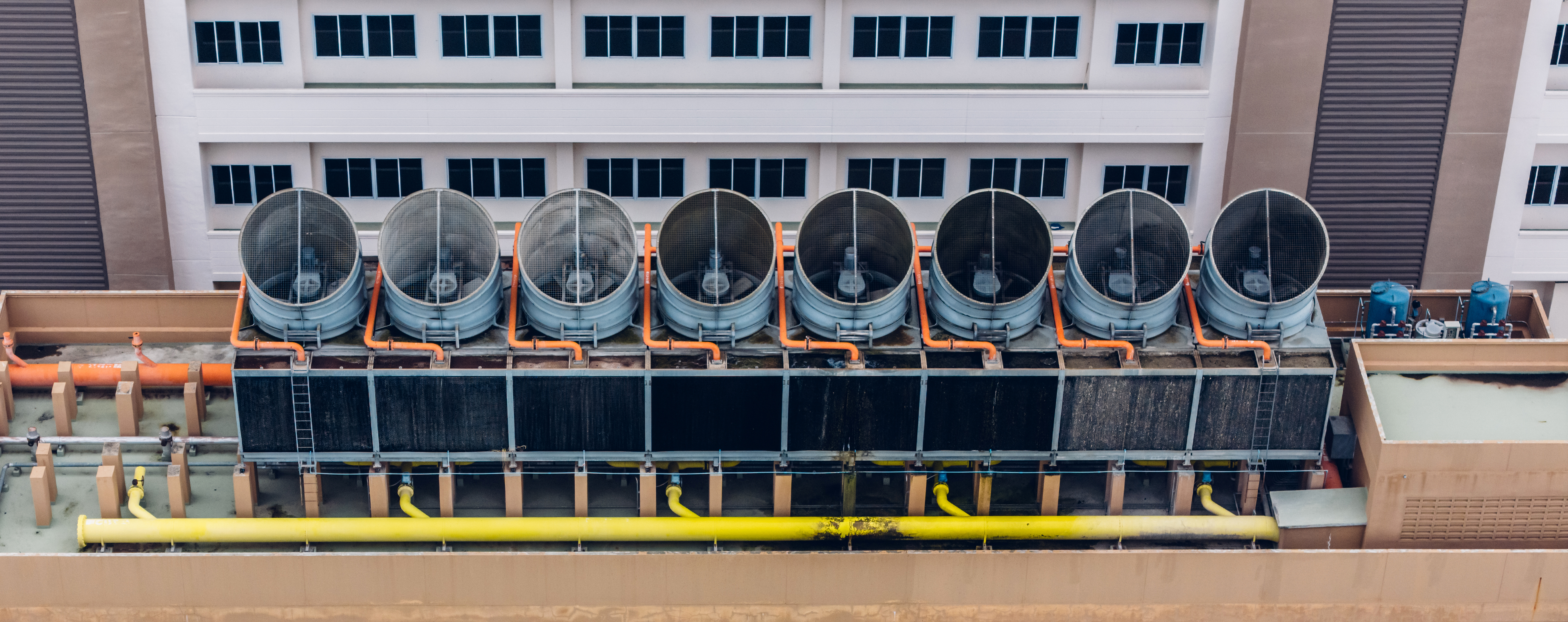


Data center water usage rarely feels urgent until cooling demand rises, discharge limits tighten, or a growing campus starts asking a simple question: how much water does a data center use? For operators running evaporative systems, data center water usage can climb fast, and wastewater treatment starts shaping cost, reuse potential, and day-to-day reliability.
Answers depend on climate, cooling design, water chemistry, and how the site handles wastewater after each pass through the loop. A tighter data center water cycle can stretch every gallon further, while a loose one can push too much water and too many solids toward disposal.
Why Data Center Water Usage Changes So Much From Site To Site
Lawrence Berkeley National Laboratory says direct water consumption in data centers is usually tied to cooling, while indirect use sits upstream in the electricity required to keep computing loads online. The same research group notes that U.S. facilities may use over 400 million gallons per day, which shows why data center water usage now belongs in broader utility and wastewater planning.
A separate Berkeley Lab review found workload-level water use variations exceeding 10,000-fold. That spread is the reason no single benchmark can fully answer how much water a data center uses across every climate, equipment mix, and operating model.
Cooling architecture drives much of that variation. Air-cooled systems may use less on-site water, while evaporative and hybrid designs can trade some added water demand for lower energy use, which means data center water usage has to be judged against the whole operating picture instead of one headline number.
Local weather matters just as much. A humid site, a dry site, and a campus running around the clock can share similar server loads yet produce very different water demand, different wastewater concentrations, and different reuse options once chemistry and heat rejection are added to the equation.
How the Data Center Water Cycle Turns Into Wastewater
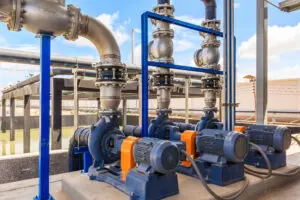
The data center water cycle usually starts with make-up water entering a cooling loop, absorbing heat, and returning for another pass. EPA guidance on cooling towers says water leaves that loop through evaporation, blowdown, drift, and leaks or overflows, which means every gallon lost has to be replaced or reduced somewhere else in the system.
Evaporation does the cooling work, but blowdown is where wastewater planning gets serious. As water recirculates, dissolved solids stay behind, conductivity rises, and operators have to discharge a portion of the loop to keep scale, corrosion, and heat-transfer problems from getting worse.
That process mirrors a broader industrial question about where wastewater is going once it leaves the wastewater treatment system. Once teams look closely at the data center water cycle, wastewater stops being a side stream and becomes part of the cooling strategy.
Blowdown, filter backwash, resin regeneration waste, cleaning water, and solids removed during maintenance all influence how much water a data center uses over a month or a year. The EPA’s Quincy, Washington, case study shows what can happen when that loop is tightened; its recycled-water system for data center cooling saved an estimated 138 million gallons of water per year.
Why Wastewater Treatment Changes The Water Math
Wastewater treatment changes water usage in data centers because it decides how much of the stream can be cleaned, reused, or discharged with confidence. Treatment may start with screening, settling, equalization, and pH control, then move into filtration, membranes, or other polishing steps depending on the chemistry of the wastewater and the intended reuse.
The EPA notes that advanced membrane and filter technologies can remove regulated and unregulated chemicals, and that multiple treatment barriers are often used to improve reliability. For data center operators, that matters because wastewater treatment is rarely one machine or one pass; it is a sequence built around solids, minerals, microbes, and the quality target at the end.
Reuse decisions work best when the treatment goal is specific. Water intended for another cooling pass has different needs than water headed to a sewer connection, an industrial partner, or a zero-liquid-discharge system, so wastewater treatment has to match the actual destination instead of chasing a generic standard.
That is where the conversation shifts from water usage to water management. A site with good metering, realistic chemistry data, and a practical wastewater treatment plan can often keep the data center water cycle running longer before blowdown or cleanup work forces water out of service.
One useful operating question is not just how much water a data center uses, but how much of that demand becomes avoidable wastewater because control settings, blowdown rates, or maintenance routines are drifting. Sites that trend conductivity, cleanout frequency, and reuse performance together usually spot those losses earlier than sites that treat each issue as a separate problem.
Where Cleanup Work Protects Cooling and Disposal Systems
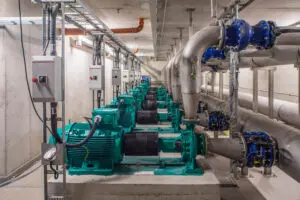
Water strategy is not just a control issue. Solids settle in trenches, scale collects in pits, and sludge can build up in separators or equalization areas, which is why industrial vacuum services often end up supporting the same water goals as treatment equipment.
Jobs like that usually move faster with vacuum trucks, especially when liquid waste, slurry, or wet solids have to be removed without dragging crews into a long manual cleanup. A faster cleanout can shorten downtime and give operators a cleaner view of what is actually happening inside the system.
Cleanout schedules also work better when they line up with broader plant maintenance windows. Teams can inspect equipment sooner, isolate recurring buildup, and decide if the wastewater problem is mechanical, chemical, or operational before a bad discharge or failed reuse run forces the timeline.
That hands-on side matters because data center water usage is not controlled by design intent alone. Water meters, treatment skids, and cooling controls tell part of the story, but physical buildup inside the system often reveals where wastewater is being created faster than expected or where reuse is breaking down.
Plan Data Center Water Usage Before It Gets Expensive
Better decisions start before scale, solids, and disposal limits force the issue. A clearer view of data center water usage helps teams align cooling, wastewater treatment, and cleanup work around real operating conditions.
That planning gets easier when wastewater, maintenance logistics, and field execution are handled together by Environmental Remedies.
Reach out to Environmental Remedies to talk through data center water usage, wastewater treatment, and plant maintenance before the next cleanout or expansion window.