

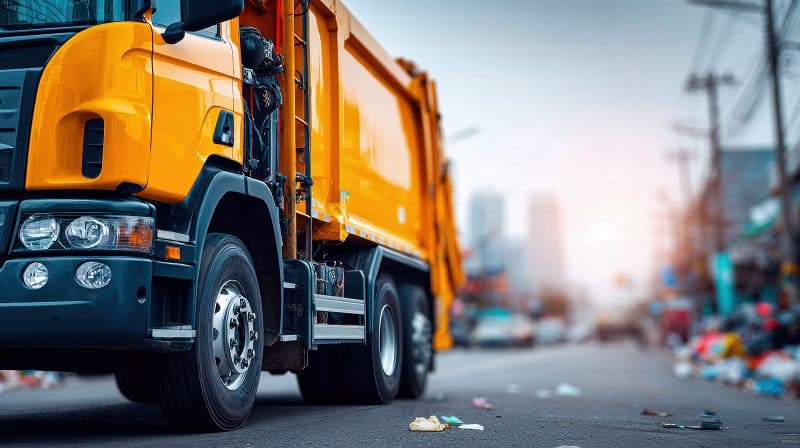


Choosing the right industrial waste transport solution rarely starts with the truck itself. It starts with the waste stream and the handling risk, because vacuum trucks and roll-off containers solve very different problems, even when they support the same cleanout.
One site may need suction to pull liquid sludge out of a sump from a long hose run. Another may need open-top capacity for dewatered solids or demolition debris that can be staged and hauled with less interruption to production.
Match The Equipment To The Material First
Good transport decisions begin with waste characterization. Volume matters, but so do viscosity, solids content, free liquids, debris size, loading distance, and how much worker contact the job would require if the material were moved by hand.
Hazard status matters too. EPA’s hazardous waste manifest system tracks regulated waste from the point it leaves the generator until it reaches the receiving facility, which means the transport choice has to fit the waste profile and the off-site path rather than just the fastest pickup option.
A practical screening question helps here: is the job mainly about suction and reach, or is it mainly about cubic-yard capacity and easy staging? Once that answer is clear, the best equipment type usually narrows fast.
Vacuum Trucks vs Roll-Off Containers
| Feature | Vacuum Trucks | Roll-Off Containers |
|---|---|---|
| Best For | Liquids, sludge | Solid waste, debris |
| Access | Hard-to-reach areas | Easy loading zones |
| Speed | Fast extraction | Continuous staging |
| Limitation | Limited capacity | Not ideal for liquids |
Think About Reach Exposure And Cleanup Speed
Jobs involving pits, trenches, sumps, tank bottoms, and hard-to-access vessels often favor equipment that removes material without bringing a crew directly into the mess.
OSHA’s guidance manual on hazardous waste operations notes that proper work practices should minimize handling and use equipment and procedures that isolate workers from hazardous substances whenever possible.
For that reason, vacuum trucks often make a better fit when a site needs long hose access, wet material pickup, or fast removal from areas where manual handling would slow the job and raise exposure.
Projects with thick sludge or long-duration cleanouts may pair vacuum trucks with vacuum boxes so collected waste can be transferred into sealed containers and hauled without tying up the same unit for the entire job.
Open Top Capacity Has A Different Advantage
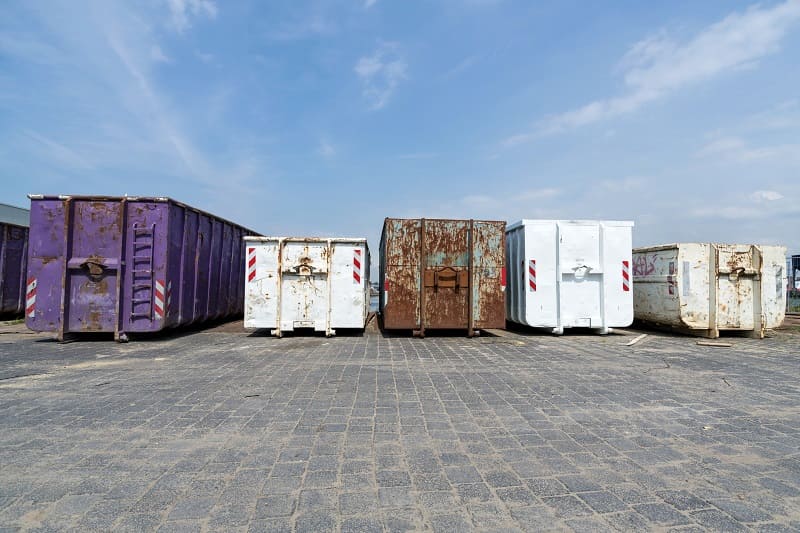
Some jobs are less about suction and more about keeping bulky or semi-solid material moving off the site on a predictable rhythm. In those cases, roll-off containers often make better operational sense because they can sit in place, take repeated loading, and be swapped with less impact on nearby work.
That can be especially useful during turnaround work, demolition, filter media changeouts, or maintenance events that generate uneven bursts of waste.
Entry conditions matter too. OSHA has said that open-top roll-off containers may be considered confined spaces when entry and exit are restricted, so any plan that involves personnel getting inside a container needs the same level-headed review a facility would give any other hazardous work zone.
Paperwork Routing And Receiving Capacity Still Drive The Decision
Equipment fit is only half of the equation. Paperwork, routing, and receiving compatibility matter too, because the wrong container or hauling method can create delays even after the waste is loaded correctly.
Under 40 CFR Part 263, a hazardous waste transporter needs an EPA identification number, must accept manifested waste only with the required manifest information, and must keep signed manifest records. That legal chain is one reason many facilities prefer a provider that can align collection, hauling, and receiving options instead of treating transportation like a stand-alone dispatch task.
Routing matters for non-hazardous projects, too. A partner with deep waste disposal services can match the hauling method to the final treatment path, which helps prevent avoidable reloads, overweight surprises, or rejected loads that force a site to regroup in the middle of a time-sensitive project.
Sites with volume swings often benefit from rental services that add container capacity during outages, storm response, or seasonal cleanouts without forcing the plant to own equipment it only needs a few times each year.
Ask What Failure Looks Like Before You Choose
Smart selection usually comes from asking what could go wrong if the equipment choice is off by one category. If the material is wetter than expected, a container that looked efficient on paper may become messy, slow, and expensive once crews start managing runoff, residue, or repeated reloads.
If the waste is heavier or bulkier than expected, hauling frequency and staging space can become the real constraint. PHMSA says its hazardous materials office develops regulations for the classifying, handling, and packaging of over 1 million daily hazardous materials shipments in the United States, which is a useful reminder that transport performance depends on matching the shipment to the rules and the package, not just finding an available truck.
Roll-off containers usually shine when the site needs steady accumulation and swap-out capacity, while vacuum trucks are often stronger when the job depends on reach, sealed removal, and fast extraction from difficult locations.
A Better Hauling Plan Starts Earlier
The best hauling plan is usually made before the shutdown begins, not after waste starts piling up. Early planning gives a facility time to confirm the waste profile, loading method, access constraints, receiving destination, and the balance between vacuum trucks and roll-off containers instead of forcing a rushed field decision.
Some projects start with vacuum trucks for extraction, move into vacuum boxes for sealed staging, and use roll-off containers for solid residuals or debris that do not belong in a tanker-based workflow.
Facilities that treat transporting waste as a system decision rather than a last-mile errand usually protect uptime better. They also give operations, EHS, and maintenance a cleaner handoff between removal, hauling, and final disposition.
Key Takeaways
– Industrial waste transport depends on the waste type and handling risk
– Vacuum trucks are ideal for liquids and hard-to-reach areas
– Roll-off containers work best for bulk solids and debris
– Regulatory compliance (EPA, OSHA, DOT) is critical
– Early planning improves efficiency and reduces downtime.
Industrial Waste Transport Works Better With The Right Partner
Industrial waste transport works best when equipment matches the waste stream and receiving path. Environmental Remedies helps facilities make that call before downtime and extra handling start driving costs.
That planning turns vacuum trucks, roll-off containers, and support equipment into one coordinated system. Reach out to Environmental Remedies for industrial waste transport support built around your site and shutdown window.
Frequently Asked Questions About Industrial Waste Transport
Q: What is industrial waste transport?
A: It involves moving industrial waste safely from a site to treatment or disposal facilities.
Q: When should you use a vacuum truck?
A: For liquid waste, sludge, or hard-to-reach areas.
Q: Are roll-off containers suitable for hazardous waste?
A: Only if they meet regulatory and containment requirements.