

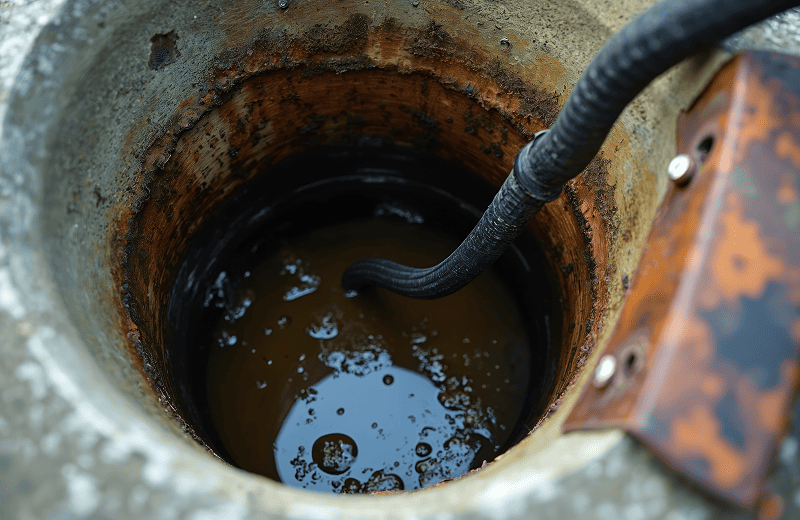


Industrial facilities depend on fluid systems that quietly run in the background, yet those systems hinge on something deceptively simple: sump cleaning. Pumps, controls, and wastewater systems all depend on sump conditions that stay predictable, and when they don’t, the disruption ripples into production capacity, compliance efforts, and overall safety.
Early in any discussion about sump cleaning, it helps to understand how these pits support operations and how neglected ones gradually turn into downtime events. Many facilities don’t notice the early signs because sump problems develop slowly, then surface suddenly through equipment failures, wastewater setbacks, or overflow alarms.
How Sumps Function As The Hidden Center Of Fluid Movement
Industrial sumps and pits act as collection points for liquids used across machining, wastewater transfer, vehicle washing, chemical processes, and stormwater handling. They gather everything that drains from equipment or floors and send it to the next step in the process.
Along with liquids, solids accumulate too; metal chips, grit, sludge, and debris settle at the bottom and gradually change how the system behaves. Emerson defines a sump as a low-lying vessel collecting waste oils, condensate, chemicals, or water for treatment or disposal, and that description matches what most facilities see every day.
A wastewater sump or coolant pit becomes a mix of fluids, suspended solids, and sludge layers that demand routine attention.
Industrial maintenance teams already understand how quickly solids accumulate, but the connection between that buildup and downtime is often overlooked. A wastewater sump with rising sludge levels strains pumps, causes intermittent level-switch problems, and can trigger unexpected shutdowns.
In machining, coolant pits behave the same way; sludge removal becomes necessary long before the odor or appearance changes because pumps begin working harder as debris accumulates. Sump cleaning works like preventative care, lowering the mechanical stress that eventually forces a repair or outage.
How Neglected Sumps Cause Pump Failures and Flow Disruptions
Pump clogging and abrasion sit at the center of most sump-related interruptions. Standard centrifugal pumps don’t tolerate large solids or abrasive slurries.
When solids grow beyond roughly an inch, they no longer pass through many pump designs; instead, they get trapped, grind against housings, and gradually destroy internal components.
Ragging, a term widely used in wastewater operations, describes the fibers and textiles that wrap around impellers until the pump loses flow. Plants dealing with wipes, rags, or shredded packaging see this problem frequently.
A wastewater sump full of grit or a coolant pit packed with chips eventually forces pumps to run hotter and draw more power. Vibration rises, seals fail, and suction drops. The chain reaction is simple: sludge in the pit raises the pump load, the pump struggles to maintain flow, and then operators discover a shutdown caused by clogged internals.
Unplanned downtime caused by a failed pump typically leads to several hours of disruption, and national studies estimate that downtime often costs $125,000 to $260,000 per hour. Large manufacturers have reported losses much higher, with some incidents reaching into the millions.
How Sumps Lose Capacity and Trigger Overflow Risks
Sludge takes up the volume that a sump or pit needs for normal operation. Once a sump’s working capacity shrinks, even routine flow spikes can push the liquid level toward alarms or overflows.
Overflow events are expensive, especially when regulated wastewater or chemical residues escape their intended containment.
EPA research on underground and process sumps highlights that small releases add up quickly and that cleanup costs commonly hit $100,000 for minor soil contamination. If groundwater becomes involved, costs may rise past $1,000,000.
A wastewater sump that overflows during a shift disrupts production instantly. Shut the equipment down. Isolate the discharge zone. In many cases, stop the sewer flow until the cause is confirmed.
You may need temporary tanks, which means coordination that rarely matches production timing. Avoid the scramble with routine sump cleaning. Restore volume, let pumps cycle normally, and keep the system steady.
How Dirty Pits Fuel Microbial Growth, Odors, and Corrosion
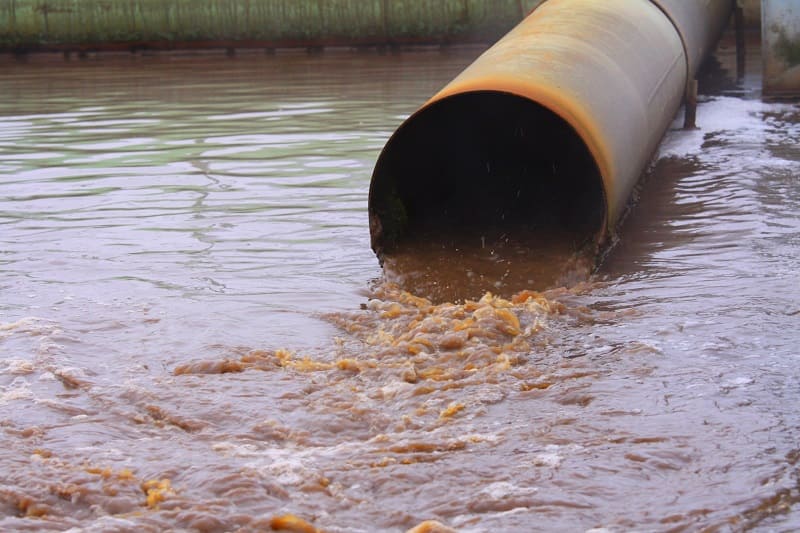
Leave a wastewater sump or coolant loop dirty long enough, and it turns into a biofactory. Bacteria, fungi, and corrosive byproducts take hold. Chips and fines trap moisture and organics, feeding the growth and souring the system until it smells septic or outright rancid.
Facilities managing coolant sumps know the signs: thick tramp oil sits on top, pH drifts downward, and mists develop unpleasant odors. Those conditions harm pumps, shorten coolant life, and deteriorate sensors and structural surfaces.
As corrosion increases inside pits and wastewater sumps, level switches foul, ultrasonic sensors misread the liquid surface, and operators lose confidence in the readings. When instrumentation produces inconsistent data, production teams often fall back on manual checks or unplanned shutdowns while troubleshooting.
How Sump Conditions Affect Pretreatment and Permit Compliance
Wastewater compliance adds another layer of risk when pits aren’t maintained. Regulations for industrial discharges prohibit solids, high-strength waste, and obstructive materials that interfere with municipal treatment.
A sudden surge of sludge removal from a dirty sump can produce sampling violations or send high-strength loads into the sewer that result in surcharges or enforcement.
When a sump backs up and diverts flow somewhere unintended, the event becomes an environmental incident requiring reporting and documentation. Sump cleaning creates stability, which makes compliance predictable.
How Cleaning Reduces Confined-Space Emergencies And Safety Disruptions
Sump and pit entry often falls under OSHA’s confined-space rules because pits restrict access and may contain hazardous atmospheres.
When a pump failure or overflow forces industrial maintenance staff to enter during an emergency, the time needed to set up rescue measures, ventilation, and gas monitoring can stop nearby work. Planning sump cleaning removes the need for emergency entries and lets facilities schedule entries during low-risk windows.
How Regular Cleaning Links Directly To Downtime Avoidance
Downtime tied to sump failures rarely looks dramatic on the surface. A clogged pump here, a tripped alarm there, or a surge of wastewater sent to the wrong place can all look minor at first. Yet industry data shows that downtime events escalate financially very quickly.
One failed sump pump on a Friday night can halt production for hours. If specialized technicians, vac trucks or disposal routes aren’t ready, a plant might sit idle all weekend. Sump cleaning is inexpensive compared to the outages it prevents.
Practical Ways Facilities Set Cleaning Frequencies And Inspection Patterns
Across machining, wastewater transfer, and chemical processing, regular sump cleaning varies by solids load and flow rate.
Machining facilities often clean coolant sumps monthly because chips and tramp oil accumulate rapidly. Wastewater sumps in process areas benefit from quarterly or semi-annual cleanouts, while stormwater pits might only need annual attention.
Facilities that track sludge removal depth, odors, pump cycling, and energy draw get a clearer picture of when the next cleaning should occur. When sump cleaning is tied to industrial maintenance schedules, pumps and level sensors get inspected at the same time, cutting down on separate service windows.
Protecting Uptime Through Proactive Sump Cleaning
Regular sump cleaning strengthens day-to-day operations and opens the door to fewer pump failures, smoother wastewater flow, and lower compliance risk. Downtime related to sumps may start small, yet it often grows into high-cost disruptions that dwarf the cost of scheduled service.
Reach out to Environmental Remedies today to build a sump management program that reduces surprises and supports greater long-term reliability.