



Plant waste rarely remains in a single, neat form. Liquids settle, solids absorb water, and “dry” debris can begin shedding free liquids the moment it sits.
Choosing vacuum box services or roll-off container rental over vacuum truck services is best when the decision is driven by material behavior and handling risk, not habit. A smart vacuum box service’s roll-off container rental plan begins by asking which phase you’re collecting in, how it will shift during staging, and what the disposal outlet will accept, to avoid surprises.
Material Behavior Decides The Work Before Equipment Ever Shows Up
Facilities often frame the choice as a simple equipment matchup. Operations reality raises a different question: how will the material behave during collection, staging, loading, and transport?
Pumpable liquids favor controlled hose transfer and sealed handling. Semi-solids and slurries can appear stable, then separate after settling; free water appears, leaks begin, and a “solid” load becomes a compliance headache.
Dewatered cake, grit, spent media, and debris typically perform better with a container approach, assuming uncontrolled releases won’t occur. A defensible vacuum box services roll-off container rental decision comes from sorting material into a few practical buckets:
– Pumpable Liquid And Hose Transfer Often Win The Safety Argument
Hose transfer keeps hands out of the waste stream and reduces open handling. Vacuum operations introduce transfer hazards; blocked lines, hose failures, and sudden releases can happen without warning.
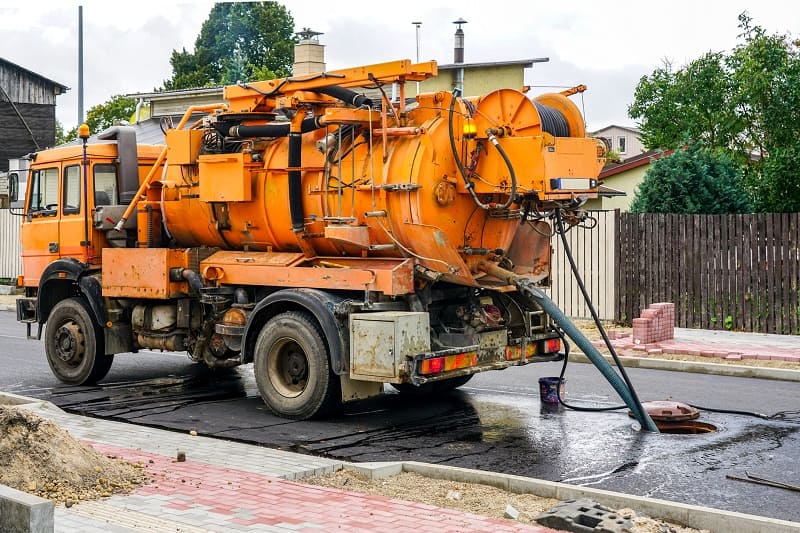
OSHA has discussed vacuum truck operations, with an emphasis on staying in line of sight during transfer, being able to shut down quickly, and maintaining a trained response to releases. Good operations use that framing as a selection tool; pumpable waste that can be moved through a controlled line often points toward vacuum truck services.
– Solids And Semi-Solids Usually Favor Container Control And Staging Flexibility
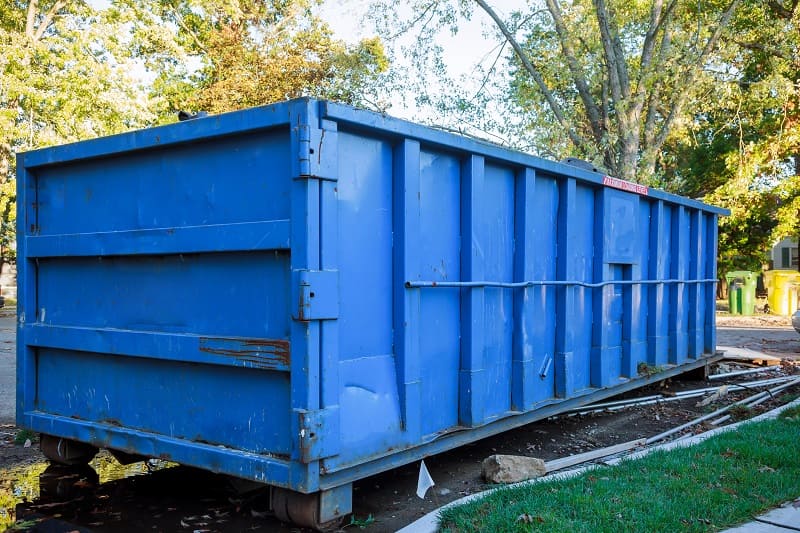
Dewatered material, debris, and spent media often require staging capacity rather than continuous suction. A vacuum box service’s roll-off container rental approach provides on-site volume, supports phased work, and can reduce handling steps, especially during shutdowns or cleanouts when material is produced in bursts.
Container handling still demands discipline; open-top work can create spill paths, track-out, windblown particulates, odor complaints, or vapor concerns, depending on the waste.
Compliance Framing Changes The Answer When Transport Rules Get Involved
Regulated waste creates an extra layer of reality. Under RCRA, a container is broadly defined as a portable device used to store or transport material; the EPA has treated roll-off boxes as containers under that framework.
Practical operations translate this into a clear message: container-based loads still require compatible management, closure discipline when applicable, and release prevention. Transport classification can matter just as much as disposal acceptance.
Vacuum trucks often operate under DOT rules, including provisions governing vacuum-loaded cargo tanks. Roll-offs are often treated as bulk packagings in transport for many hazmat scenarios, depending on what’s inside and how it’s offered.
PHMSA has emphasized that bulk packaging use can trigger registration requirements in some cases, regardless of shipment quantity. Rather than treating regulations as a separate topic, the best vacuum box services roll-off container rental planning folds compliance into the equipment decision early:
– Pumpable liquid or sludge that must be moved as a sealed load on the highway often aligns well with vacuum truck services, especially when cargo-tank requirements match the waste form.
– Solid or semi-solid waste that can be contained without free liquids often aligns with waste container rentals, especially when staging and load consolidation are a concern.
– Mixed-phase waste forces the tough question: will free liquids appear after settling, and will the downstream outlet reject the load?
The Hauling Economics Often Come Down To How Much Water You’re Paying To Move
Cost arguments get distorted when teams ignore water. A wet slurry might be easy to vacuum, then painfully expensive to haul because the load is mostly water. A roll-off might appear to be the cheaper option, but it can fail at the disposal gate if free liquids form after the load sits.
Dewatering performance depends on sludge characteristics and conditioning; these properties determine how much water can be removed. Translating that into decision logic helps keep projects predictable.
A vacuum box service’s roll-off container rental strategy can reduce transport costs when dewatering or settling can move the waste into a stable semi-solid form. Grit, media, filter cake, and debris often fit that profile. A waste container rental setup becomes even more attractive when multiple work areas will produce material over time, since on-site capacity prevents stop-and-go hauling.
Speed and containment still matter. Fast capture from sumps, trenches, pits, or liquid tanks can favor vacuum truck services, especially when quick removal reduces downtime risk or prevents overflow. Liquid-phase capture often saves labor hours and limits exposure, even when hauling water isn’t ideal.
Open Handling Versus Closed Transfer Shapes: Exposure And Spill Risk
Safety isn’t only about the truck; exposure pathways decide the real risk profile.
Vacuum transfer reduces manual handling and limits open contact. Transfer risks remain, so good operations focus on controlled hose management, predictable shutdown steps, and response readiness.
Vacuum work often fits best when a facility wants a closed transfer process, reduced splashing, and less shoveling or scooping. Container work can be extremely efficient for solids, but open-top loading introduces more variables.
Wind, foot traffic, forklifts, and uneven surfaces can create spill conditions. Odor and vapor potential increase when the material sits staged. A vacuum box service’s roll-off container rental plan that assumes “box equals simple” can run into trouble when the waste shifts phase, or when site conditions create uncontrolled releases.
Disposal Constraints Usually Decide The Final Call
Disposal outlets often speak in plain terms: “no free liquids,” “no incompatible waste mixing,” “no loads that leak,” or “no material that can’t be safely offloaded.” Those constraints line up with the behavior-first approach.
A waste container rental load that stays stable and contained can be a smooth path. A load that starts draining or venting turns into rework, added handling, and extra cost.
A Simple Framework That Holds Up During Real Projects
Good teams decide with three questions:
- Collection method: hose transfer or open loading?
- Transport form: cargo tank style movement or container-based movement?
- Disposal constraints: What will the outlet accept after the material sits and separates?
Answering those questions early keeps vacuum truck services and vacuum box services, roll-off container rental aligned with both operations and compliance, rather than forcing last-minute pivots.
When pumpable phase behavior dominates, vacuum truck services usually fit the work; controlled transfer reduces exposure and speeds collection.
When solids and semi-solids dominate, vacuum box services roll-off container rental and waste container rental often fit better; staging capacity and hauling efficiency tend to improve. Mixed-phase waste sits in the middle, so dewatering realities and downstream acceptance become the tiebreakers.
Vacuum Box Services Roll-Off Container Rental Choices That Keep Projects Moving
Picking vacuum box services, roll-off container rental versus vacuum truck services gets easier once material behavior and disposal limits lead the conversation.
A quick conversation about what you’re collecting, how it settles, and what the outlet will accept can prevent rework and delays. Reach out to Environmental Remedies to talk through your waste stream and schedule the right approach for your site.