



Georgia contractors working on data centers need to treat water planning as part of project execution, not as a cleanup issue after commissioning. Wastewater treatment requirements can change depending on where wastewater goes, what it contains, and whether it is generated during construction or facility operations.
That distinction matters because data center construction can create dewatering, runoff, and flush-water issues before servers are online, while cooling systems can add different discharge questions later. The data center environmental impact tied to water is therefore shaped as much by routing and documentation as by total water use.
Georgia Rules Start With Where Wastewater Goes
Georgia does not regulate every data center waste stream through one permit. The Georgia Environmental Protection Division explains that a facility may need a permit when it discharges wastewater to state waters, land applies it, or uses certain injection pathways, so the first compliance question is the intended destination of the water.
A direct discharge to waters of the state falls under a different framework than a discharge to a publicly owned treatment works. The state’s wastewater permitting framework separates NPDES, land application, industrial pretreatment, and underground injection control pathways according to how wastewater is managed.
Contractors should establish that pathway before temporary tanks, pumps, drains, or hoses are set up. Earlier Georgia data center construction planning also makes it easier to coordinate wastewater treatment with utility reviews, commissioning schedules, and site logistics instead of solving discharge questions after water is already moving.
Wastewater Treatment Requirements Change With Direct Discharge
A point-source discharge to Georgia waters generally requires NPDES authorization, and the applicable permit controls the conditions that must be met before the discharge occurs. Wastewater treatment decisions therefore need to be tied to the actual receiving water and permit pathway rather than to a generic assumption that clear-looking water can be released.
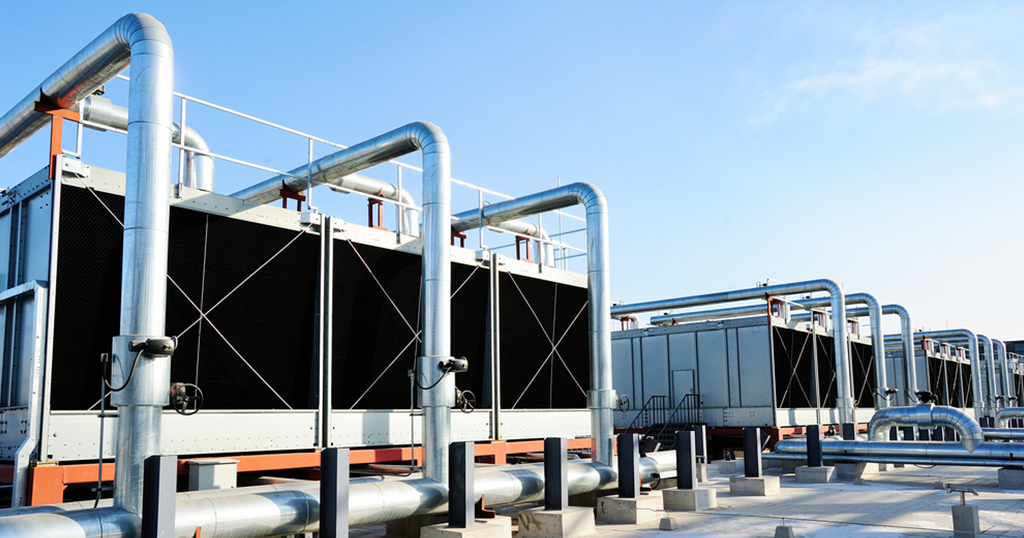
Cooling water is a useful example. Georgia maintains a general permit for once-through non-contact cooling water with no chemical additives, but the state’s cooling water permit categories specifically exclude process wastewater and blowdown from recirculating systems from that permit.
That distinction is important for data centers because cooling tower blowdown can come from a recirculating system and may carry concentrated dissolved material or treatment chemistry.
Contractors supporting commissioning or maintenance should verify the intended wastewater treatment and discharge route rather than assuming that all cooling-related water fits the same authorization.
Sewer Discharge Can Trigger Pretreatment Requirements
Sending wastewater to a sanitary sewer does not automatically remove regulatory obligations. Georgia’s industrial pretreatment program applies to certain industrial users that discharge process wastewater to a publicly owned treatment works, and permit authority may sit with the local utility or with the state depending on the approved pretreatment program.
The state’s significant industrial user criteria include users subject to categorical standards, users discharging an average of at least 25,000 gallons per day of process wastewater, users contributing 5% or more of POTW capacity, and users designated because of potential adverse effects.
Those thresholds do not mean every data center is a significant industrial user, but they show why volume and wastewater character need to be understood before a sewer connection is treated as an open disposal route.
Local limits can also be more important to a project than a statewide rule quoted in isolation. Wastewater treatment planning should therefore include the receiving utility’s acceptance requirements, any sampling or profiling it requests, and the timing of batch or high-volume discharges that could affect the collection or treatment system.
Data Center Construction Adds Stormwater and Dewatering Duties
Construction-phase water has to be kept separate conceptually from operating wastewater. Georgia currently lists construction stormwater general permits for stand-alone projects, infrastructure projects, and common developments, with permit coverage and erosion, sedimentation, and pollution controls depending on the project structure.
Large data center sites can involve grading, excavation, utility trenching, and temporary pumping before mechanical systems are ready. Georgia’s stand-alone construction permit also requires permittees to minimize pollutants from dewatering trenches and excavations, with discharge prohibited unless appropriate controls are used.
A stormwater permit should not be treated as blanket authorization for every liquid generated on the site.
Contractors need to know which water is stormwater, which is excavation dewatering, and which is process, flush, or cleaning wastewater so each stream follows the correct wastewater treatment, containment, or disposal pathway.
Contractors Need a Wastewater Plan Before Commissioning
Commissioning can create short-duration streams that are easy to underestimate. Data center flush water may pick up solids, metals, residual treatment chemicals, or glycol traces depending on the system, which means appearance alone is not a reliable basis for deciding where it can go.
A practical plan should identify the source of each stream, expected volume, likely constituents, storage location, receiving destination, and party responsible for approvals.
Testing should be driven by the permit, sewer authority, or receiving facility rather than by a one-size-fits-all panel, while enough temporary storage should be available to prevent schedule pressure from becoming a disposal shortcut.
Planning also has to cover what happens when the preferred route is unavailable. Reviewing improper wastewater disposal risks before a flush or drain event helps crews identify where routing decisions can fail.
Arranging centralized wastewater treatment options in advance gives contractors a controlled fallback for non-hazardous wastewater that cannot be discharged as originally expected.
Data Center Environmental Impact Depends on Control at the Site

The data center environmental impact associated with water is broader than the number of gallons entering a facility. Discharge quality, stormwater controls, sewer loading, offsite treatment, and the ability to keep incompatible streams separated all affect how responsibly a project handles water.
Good records help connect those decisions. Sampling results, utility approvals, hauling records, receiving-facility documentation, and field notes can show where wastewater went and why the selected wastewater treatment or disposal route matched the project conditions.
Contractors also benefit from assigning responsibility before work begins. When the owner, general contractor, mechanical contractor, and environmental team understand who controls each discharge point and who verifies acceptance, the data center environmental impact becomes easier to manage without creating avoidable delays.
Plan Wastewater Treatment Before Water Moves
Georgia data center projects are easier to control when wastewater treatment, stormwater duties, sewer requirements, and temporary storage are resolved before discharge begins. Early routing and documentation reduce the risk that construction or commissioning water becomes a schedule problem.
Environmental Remedies supports wastewater treatment, hauling, and non-hazardous waste handling for data center projects from collection through treatment or disposal.
Request a project quote before the next construction or commissioning phase puts wastewater on the critical path.