

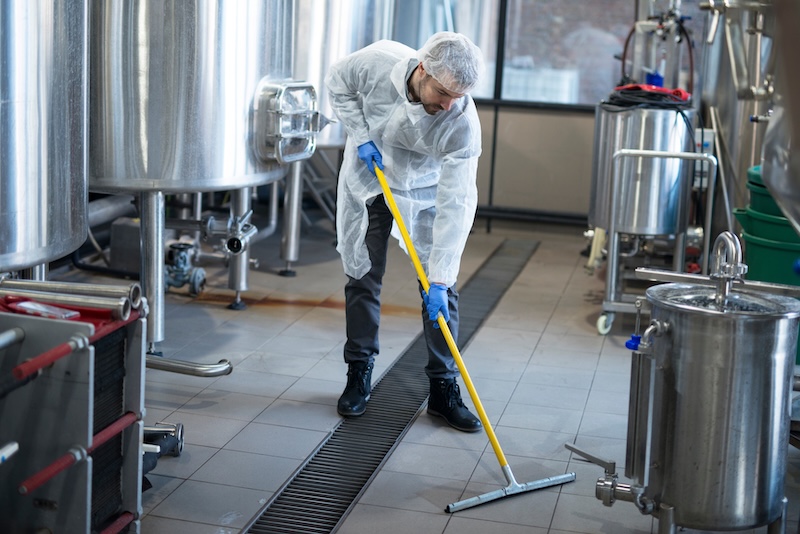


A spring shutdown gives plant teams a rare chance to clean areas that stay hidden during normal production, which is why industrial plant shutdown cleaning works best when it is planned before downtime begins. The best industrial cleaning checklist connects cleaning scope, plant shutdown services, waste handling, and restart needs instead of treating each task as a separate job.
The goal is not to make the plant look spotless; it’s to clear out the stuff that gets in the way, keep people from crowding the same work areas, and avoid dealing with waste at the worst possible point in the restart.
Why Spring Shutdown Cleaning Requires A Different Plan
During a normal run, crews can only get to so much. Conveyor runs, tanks, pits, floor drains, and tight equipment spaces often have to wait until the line is down, and that window can tighten up fast once maintenance, electrical, contractor, and operations teams start working in the same areas.
Shutdown cleaning also brings a different safety picture. If crews are working near machinery, valves, hydraulics, or stored energy, OSHA’s lockout/tagout rules for equipment service and maintenance need to be accounted for before the work starts.
That access only helps if the shutdown is mapped out before the crews show up. The plan should spell out which areas get cleaned first, which equipment has to be isolated, what waste may come out of the job, and which tasks need permits so the shutdown does not turn into everyone fighting for the same space.
Industrial Cleaning Checklist Priorities During Planned Plant Shutdowns

The first places to look are the ones that can hold up restart if nobody gets to them. Residue does not stay put, so spring shutdown cleaning needs to follow the real paths through the plant, including where solids, oil, dust, wash water, and sludge tend to collect or move.
Equipment Interiors and Process Residue
Some of the dirtiest spots are inside or around the equipment itself. Grease, scale, powders, old product, and hardened buildup can sit around panels, housings, conveyors, mixers, hoppers, ovens, and other areas that do not get much attention until the line is down.
Some surfaces may need manual removal, vacuum recovery, pressure washing, or hydroblasting depending on the material and the equipment. Matching the method to the residue keeps cleaning work practical and helps prevent unnecessary wear on parts that are already exposed for maintenance.
Pits, Sumps, Trenches, and Wastewater Areas
Pits, sumps, and trenches can fill up slowly, so problems are easy to miss until they start affecting pumps, odors, overflow risk, or wastewater handling. Regular sump and pit cleaning during a shutdown gives crews a window to get into those areas before daily production covers them back up.
Wastewater areas are worth handling early because they can slow down the rest of the cleaning. Crews may need to vacuum out liquid, stage temporary storage, control runoff, and sort out disposal before any pressure washing or equipment rinsing starts.
Dust Overhead Areas and Ventilation Paths
Dust and fines can settle on beams, ductwork, ceiling structures, cable trays, and ledges above the normal cleaning line. The CSB reported that three combustible-powder explosions in 2003 cost 14 lives and caused numerous injuries and substantial property losses, so overhead dust should not be treated as ordinary dirt in facilities that handle combustible materials.
The ventilation areas need to be looked at together. If crews clean one spot but leave dust sitting on nearby filters, air handlers, ductwork, or ledges, that material can end up right back in the system after restart.
How Plant Shutdown Services Reduce Restart Problems
Plant shutdown services are useful when the cleaning plan needs trained labor, specialized equipment, waste transport, and sequencing support during a compressed window.
Experienced plant shutdown services can help coordinate tank cleanout, pit cleaning, pressure washing, dust removal, and other work that would be hard to stage with plant staff alone. Confined spaces need extra attention before cleaning is scheduled.
OSHA’s permit-required confined space rule covers practices and procedures to protect employees in general industry, which is directly relevant to tanks, pits, vessels, vaults, and similar areas that may be part of shutdown work.
High-pressure cleaning also needs practical control. Industrial pressure washing can move residue quickly, but it can also mobilize oils, metals, solids, and wash water that need collection, treatment, or disposal, so industrial pressure washing should be planned around drainage paths and containment points.
Waste Handling Can Make or Break the Facility Maintenance Shutdown
Cleaning creates material that has to go somewhere. Sludge, rinsate, absorbents, filters, spent media, and collected solids may need separate handling depending on the process that produced them and the chemicals they contacted.
The EPA says hazardous waste determinations include a review of waste origin, composition, the process producing the waste, feedstock, and other information, and that a determination should be made at the point of waste generation. That makes waste planning part of the cleaning plan, not an afterthought at the end of the shutdown.
A facility maintenance shutdown should identify container needs before the first hose or vacuum line is staged. Facilities may need waste disposal services, vacuum boxes, frac tanks, or roll-off containers to keep material moving without blocking the work area.
When temporary storage is needed, rental services for vacuum boxes and frac tanks can keep liquids and solids contained while the work progresses.
Turning the Shutdown Plan Into a Cleaner Restart
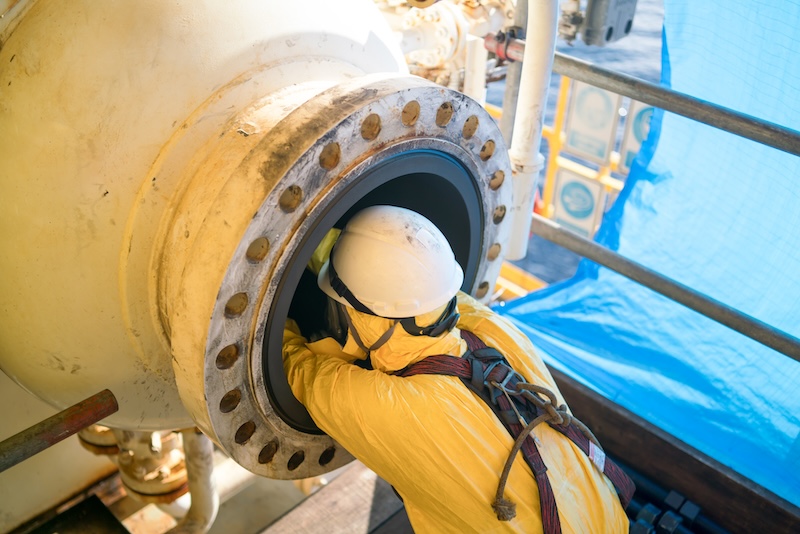
The last washdown is not really the finish line. Before the plant starts back up, someone still has to walk the area and catch the leftover residue, drainage issues, missing labels, open panels, staged waste, or anything else that could hold up sign-off.
Plant shutdown services can also help document what was removed, where waste was staged, and which areas may need follow-up cleaning before the next shutdown. That record gives maintenance and EHS teams a better starting point for the next facility maintenance shutdown instead of forcing them to rebuild the plan from memory.
Spring shutdown cleaning works best when it is specific, sequenced, and connected to restart risk. Industrial plant shutdown cleaning should leave the facility cleaner, easier to inspect, and better prepared for the next production run.
Make Industrial Plant Shutdown Cleaning Easier This Spring
Industrial plant shutdown cleaning is easier to manage when cleaning scope, safety controls, wastewater handling, and disposal planning are built into one schedule. The strongest plans protect the short shutdown window while giving crews enough structure to work safely and efficiently.
Environmental Remedies supports industrial facilities with plant shutdown services, vacuum recovery, pressure washing, pits and sump cleaning, waste transportation, and treatment resources across the Southeast.
Frequently Asked Questions About Industrial Plant Shutdown Cleaning
Q: What should be included in an industrial plant shutdown cleaning plan?
A: A shutdown cleaning plan should include equipment cleaning priorities, lockout/tagout procedures, confined space requirements, waste handling processes, contractor coordination, and restart inspections.
Q: How far in advance should a shutdown cleaning project be planned?
A: Most facilities begin planning several weeks or months before a scheduled shutdown to coordinate labor, equipment, waste disposal, and maintenance activities.
Q: Why is shutdown cleaning important for plant operations?
A: Shutdown cleaning helps remove accumulated residue, improve equipment inspections, reduce safety hazards, and support a smoother production restart.
Q: What wastes are commonly generated during shutdown cleaning?
A: Common wastes include sludge, wash water, absorbents, dust, filters, spent media, oils, and process residues that may require special handling or disposal.
Q: Can shutdown cleaning reduce restart delays?
A: Yes. Cleaning critical equipment, pits, drainage systems, and ventilation pathways before startup can help identify issues that might otherwise delay production.
Reach out to schedule industrial plant shutdown cleaning support before spring downtime turns into a rushed restart.