

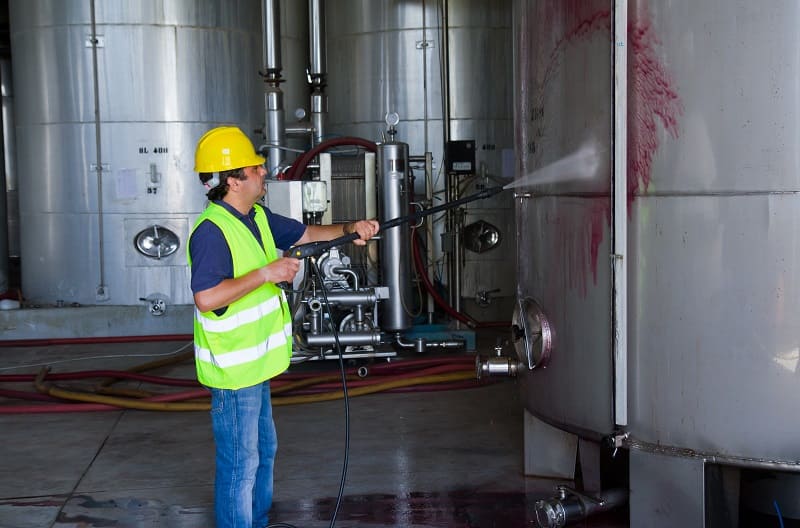


Hydroblasting services sit in a different category than routine washdowns. When residue hardens into scale, failed coating, carbon buildup, or packed solids, high-pressure water blasting gives industrial cleaning teams a way to cut through it without dragging abrasive media across the job.
That matters during equipment cleaning because the method can open inspection access, shorten outage work, and leave less secondary material behind than grit-based approaches.
Hydroblasting services also let crews match pressure, flow, tooling, and standoff distance to the surface in front of them instead of treating every foul condition the same way.
Plants often reach this point after buildup has started affecting flow, heat transfer, visibility, or basic access to the equipment itself. Once deposits stop behaving like surface dirt and start acting like part of the asset, equipment cleaning usually needs a method strong enough to separate the material without turning the job into a drawn-out manual project.
Where Hydroblasting Services Fit Best
Hydroblasting services earn their keep when deposits cling tightly to metal, concrete, or coated surfaces, and hand work would burn time without getting the substrate truly clean.
Plants lean on the method for tanks, exchangers, floor buildup, process lines, trenches, and other areas where residue removal has to happen quickly and with tight control.
Facilities that need a quick refresher on what hydroblasting is and when it is needed usually start by sorting jobs by deposit type, surface tolerance, and target pressure. That first pass helps separate light cleaning from work that calls for a more concentrated stream and a different safety posture.
That decision often lands inside a planned shutdown window, when crews can isolate the area, stage containment, and bring equipment cleaning into the same work package as inspection or repair.
A plant that folds hydroblasting into outage planning usually gets a cleaner handoff between cleaning, maintenance, and restart work. The method also fits jobs where traditional scraping or chemical treatment would add extra labor, extra downtime, or extra waste streams.
In those cases, hydroblasting services can support industrial cleaning goals while still keeping the work focused on direct residue removal instead of piling new cleanup steps on top of the original problem.
Benefits of Hydroblasting Services in Equipment Cleaning
High-pressure water blasting works because the stream delivers concentrated force right where buildup bonds to the surface. Such control helps crews strip away fouling while leaving the base material ready for inspection, coating prep, or the next phase of equipment cleaning.
Jobs that only call for lighter residue removal may sit closer to industrial pressure washing, while hydroblasting services earn their place when deposits are harder, thicker, or bonded tightly to the surface.
That distinction matters because too little force drags the job out, while too much force can damage thin components or waste time on rework. Used well, hydroblasting services also give maintenance teams flexibility.
Tube lances, rotary heads, surface cleaners, and automated tools let operators adapt the stream to vessel interiors, floor areas, pipe runs, and irregular surfaces instead of forcing every piece of equipment through one cleaning pattern.
That flexibility becomes even more valuable when a facility has several assets with different fouling conditions in the same outage. One exchanger may need focused equipment cleaning inside narrow passages, while a floor area nearby needs broader residue removal and a very different tool setup, and high-pressure water blasting can handle both with the right planning.
Why Surface Condition Changes The Cleaning Plan
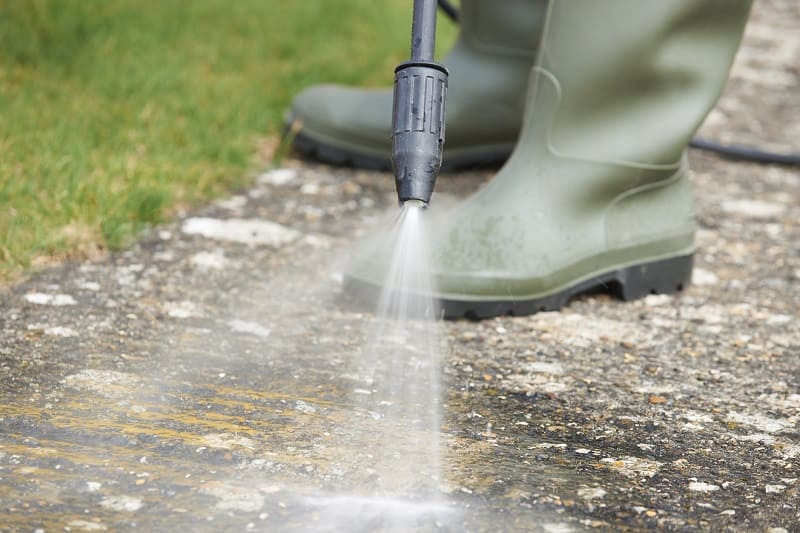
Surface condition matters just as much as deposit type. Old coatings, weakened substrate, corrosion, and uneven wear all influence how aggressive hydroblasting services can be without trading cleaning speed for material damage.
That is why strong industrial cleaning crews do more than show up with pressure and water. They assess what needs to come off, what needs to stay in place, and what finish or inspection standard the next trade expects once equipment cleaning is complete.
In practical terms, that means the same buildup problem can call for two very different approaches depending on the asset.
A steel floor with stubborn residue removal needs may allow one operating range, while thin-walled equipment, aging coatings, or surface prep work may call for a tighter balance between cleaning force and surface preservation.
Why Safety Planning Shapes The Job
Any honest discussion of hydroblasting services has to start with the fact that the energy involved can injure people fast.
OSHA notes that hydro-blasting exposes workers to a high-pressure water stream, often from 1000 to 30000 psi, and that reaction force, toxic surface residues, hearing damage, and fall risk all belong in the plan.
One OSHA case file from a paper mill accident shows what can happen when operators are not trained properly and no second operator is stationed at the bypass switch.
That lesson carries into everyday industrial cleaning because the danger does not wait for a rare or dramatic failure; it builds when crews rush setup, work without clear zones, or treat launch and shutdown steps casually.
A national guide on high-pressure water jetting pulls the hazard picture even wider, listing skin penetration, flying debris, noise, confined spaces, falls, electric shock, and chemical exposure as common risks.
Whenever vessels, pits, or enclosed process areas are involved, the same coordination used in industrial confined space cleaning still matters because visibility, footing, air quality, and rescue planning can change fast.
Industry crews often lean on the current WJTA manuals because they remain the main reference point for waterjetting work practices across North America and beyond.
Training, equipment condition, communication, and exclusion zones are not paperwork details; they shape whether high-pressure water blasting stays productive or turns into a shutdown inside the shutdown.
Water Capture Matters After The Spray Stops
Hydroblasting services solve one problem while creating another that has to be managed just as carefully. Once the stream breaks deposits loose, the job turns into water movement, residue capture, and waste handling, and that part of industrial cleaning can decide whether the work package stays on schedule.
Equipment cleaning teams usually plan berming, vacuum recovery, temporary storage, and downstream handling before the pump ever starts.
Paint chips, scale, product residue, sludge, and rinse water do not carry the same disposal path, so material profiling and work sequencing shape the job almost as much as nozzle choice.
That is one reason hydroblasting services fit best inside a broader maintenance plan rather than as a last-minute response.
When a plant pairs cleaning goals with capture logistics, drying time, inspection access, and restart needs, high-pressure water blasting becomes a controlled maintenance tool instead of a noisy scramble. Water handling also affects labor flow around the job.
A crew that clears residue quickly but creates bottlenecks in recovery, staging, or transfer can still lose hours, which is why industrial cleaning plans work better when hydroblasting services are treated as one part of a full work sequence instead of the whole answer.
Key Takeaways About Hydroblasting Services
– Hydroblasting services use high-pressure water to remove tough industrial buildup.
– Ideal for equipment cleaning, surface preparation, and shutdown maintenance
– Safer for substrates compared to abrasive methods
– Requires strict safety and water containment planning
– Commonly used in tanks, pipelines, and heat exchangers.
Hydroblasting Services That Support Better Turnarounds
Hydroblasting services pay off when plants match the method to the fouling problem and the outage plan. Strong results usually come from aligning equipment cleaning goals, surface condition, water capture, and safety controls before the first pass begins.
Environmental Remedies coordinates industrial cleaning, water capture, and equipment cleaning so the work stays organized from setup through restart.
Reach out to Environmental Remedies when hydroblasting services and high-pressure water blasting are needed to fit your next equipment cleaning plan.
Frequently Asked Questions
Q: What are hydroblasting services used for?
A: Hydroblasting services are used to remove scale, coating, and heavy buildup from industrial equipment using high-pressure water.
Q: Is hydroblasting safe for equipment?
A: Yes, when properly controlled, it cleans surfaces without damaging the base material.
Q: How is hydroblasting different from pressure washing?
A: Hydroblasting uses much higher pressure and is designed for heavy industrial cleaning.