

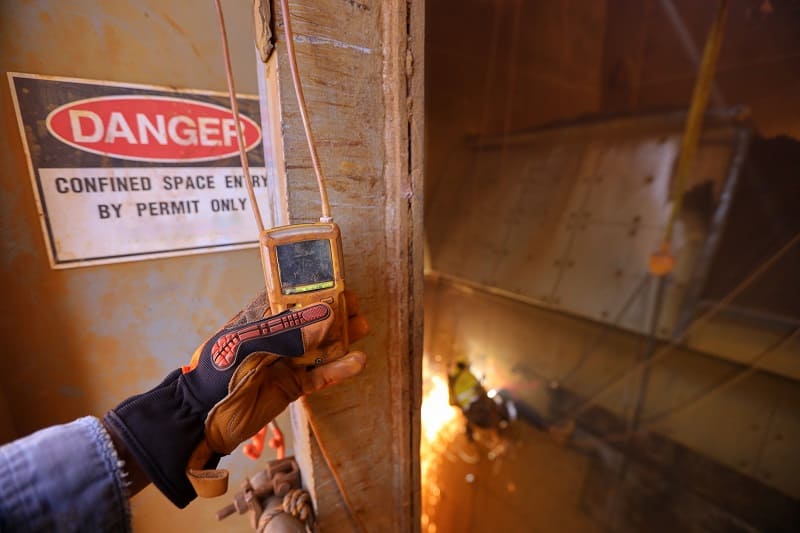


Facilities that rely on confined space cleaning operate in environments where routine tasks can quickly escalate into emergencies. Within the first moments of any entry, workers may disturb residues that release toxic gases or create oxygen-poor pockets.
As many operations intersect with industrial tank cleaning safety concerns and the expectations set by OSHA confined space requirements, decision makers face a responsibility to anchor their work in sound entry procedures that protect people and infrastructure.
Readers will find that the subject is deeper than it first appears, which is why a closer look at the underlying risks and potential protections to implement can reshape how their teams operate.
Why Confined Spaces Demand Elevated Safety Measures?
Industrial data paints a stark picture of the many risks that are associated with confined-space cleaning. National statistics show that hundreds of workers lose their lives in these environments across recent multi-year periods.
Analysts attribute many incidents to unseen atmospheric hazards that gain intensity as cleaning disturbs sediments or as temperatures fluctuate.
Facilities that handle wastewater, sludges, chemical residues, or agricultural waste often face higher exposure to gases like hydrogen sulfide and methane, both of which can incapacitate teams in seconds.
Rescue attempts heighten danger even more, as a large share of confined space fatalities involve would-be rescuers who enter too quickly without protective systems.
These hazards influence the standards built around industrial tank cleaning safety, where atmospheric testing, ventilation, harnessed access, and trained attendants are expected components.
Treating spaces as potentially hazardous until verified otherwise aligns with the philosophy behind OSHA confined space rules, and it shapes how every facility should outline its entry procedures for cleaning tasks.
Recognizing What Qualifies As A Confined Space In Industrial Settings
Worksites feature a wide range of structures that meet confined space criteria: tanks, pits, vaults, clarifiers, and sewers share traits such as limited entry points and poor natural air movement. These spaces are typically not designed for human occupancy for any extended period, which leads to stagnant air and the buildup of flammable or toxic contaminants.
Facilities that treat industrial waste or manage wastewater streams face additional concerns because biological activity can consume oxygen or form heavier-than-air gases that settle in low areas.
Regulators classify some environments as permit-required when they exhibit atmospheric risks, engulfment hazards, dangerous internal layouts, or operational threats like moving equipment.
Many cleaning assignments fall squarely into this category. Because of this designation, a facility must document how it will mitigate hazards before anyone attempts confined space cleaning.
Every element of hazard recognition plays a role in achieving safer outcomes; atmospheric monitoring, isolation of lines, energy control, and the planning of non-entry rescue options support the goals of industrial tank cleaning safety and reinforce the expectations behind OSHA confined space assessments.
Establishing Thorough Pre-Entry Assessments That Shape Safer Work
A detailed assessment offers the foundation for safer confined space cleaning. Teams begin by gathering information about the space’s history, the waste stream, any upstream flow sources, and any previous incident reports.
Analysts identify atmospheric risks first since those present the fastest route to harm. Oxygen levels, flammables, hydrogen sulfide, carbon monoxide, and any site-specific chemicals must be measured with calibrated instruments that sound alarms if levels change.
Strong ventilation strategies follow the assessment. Cleaning often requires forced-air systems that move fresh air into dead zones and push contaminants outward.
Continuous monitoring is highly recommended, since gases may shift as residues are removed or as temperatures change. Drainage, flushing, and the shutdown of mixers or pumps remain essential before any worker steps inside.
These steps help align a facility’s plan with best practices for industrial tank cleaning safety, the expectations of OSHA confined space evaluations, and the structure of effective entry procedures that guide the flow of work.
Implementing Entry Procedures That Address Real-World Cleaning Hazards

A well-developed permit process directs every phase of entry. Permits summarize identified hazards, completed isolations, acceptable atmospheric test results, required PPE, communication plans, and rescue readiness.
Authorized entrants, attendants, and supervisors must understand their distinct responsibilities, and no duties should conflict with the role of monitoring worker well-being. Entrants wear full-body harnesses connected to retrieval systems, and attendants stay outside the space, maintaining continuous communication without stepping in.
Rescue preparation deserves significant emphasis. Engaging in annual drills, having sound documentation of rescue capabilities, and gaining greater familiarity with the specific confined spaces on-site support faster recoveries. Many incidents worsen when responders enter without air-supply equipment or retrieval anchors.
Facilities that outsource cleaning should closely examine how contractors structure their entry procedures, handle atmospheric monitoring, and demonstrate compliance with OSHA confined space requirements.
Providers that invest in training, calibrated detectors, retrieval systems, and detailed documentation tend to deliver safer outcomes in confined space cleaning.
Addressing Added Complexities In Waste And Industrial Treatment Spaces
Industries that process wastewater or handle industrial sludge can face rapidly changing hazards. Hydrogen sulfide generation may spike during warm weather, within digesters, or during agitation.
Methane from digestion or organic breakdown can create flammability concerns, especially in tanks or sewer lines. Upstream flows can overload isolation points when storm events alter water levels or when process chemicals drain unexpectedly.
Facilities combat these hazards by installing real-time detectors, implementing flow controls, reinforcing ventilation, and verifying isolation points through physical checks. High-pressure jetting introduces mechanical risks, including hose recoil, slippery conditions, and aerosolized contaminants.
Cleaning plans must build in fall protection at openings, disciplined hose routing, and PPE matched to chemical and biological risks. Guardrails and covers are in place. Lines are routed to avoid trips. Respirators, splash suits, and gloves rated for the hazards at hand.
These controls reinforce industrial tank cleaning safety, align operations with OSHA confined space rules, and set dependable entry procedures that protect crews. Permits issued. Atmospheres tested. Rescue ready. Training documented. No shortcuts.
Strengthening Facility Expectations For Contractors Who Handle Confined Space Work
Many facilities rely on specialized providers to manage especially complex spaces. A strong contractor will maintain written confined space programs, demonstrate competence through training records, and present sample permits that show clear attention to hazard control.
Equipment lists should include retrieval systems, air movers, intrinsically safe lighting, multi-gas monitors, and protective clothing suited to the waste stream. Rescue agreements or internal teams must be documented and practiced.
Managers reviewing contractor quality can compare their current standards to industry expectations. Showing careful hazard identification, clear entry procedures, and regular following of OSHA confined space rules demonstrates a contractor’s dedication to safer cleaning in confined spaces.
Facilities gain confidence when a provider shows experience with similar tanks, digesters, pits, and sewer structures, especially in operations where industrial tank cleaning safety demands structured preparation.
Moving Toward Safer Confined Space Cleaning Practices That Truly Protect People
Every facility benefits from a deeper investment in confined space cleaning and the methods surrounding industrial tank cleaning safety, OSHA confined space evaluations, and well-executed entry procedures.
Safer confined space cleaning depends on thoughtful preparation, disciplined testing, and dependable communication. Environmental Remedies can support facilities seeking safer and more efficient planning, so reach out today to discuss how our team can help strengthen your current cleaning program.