

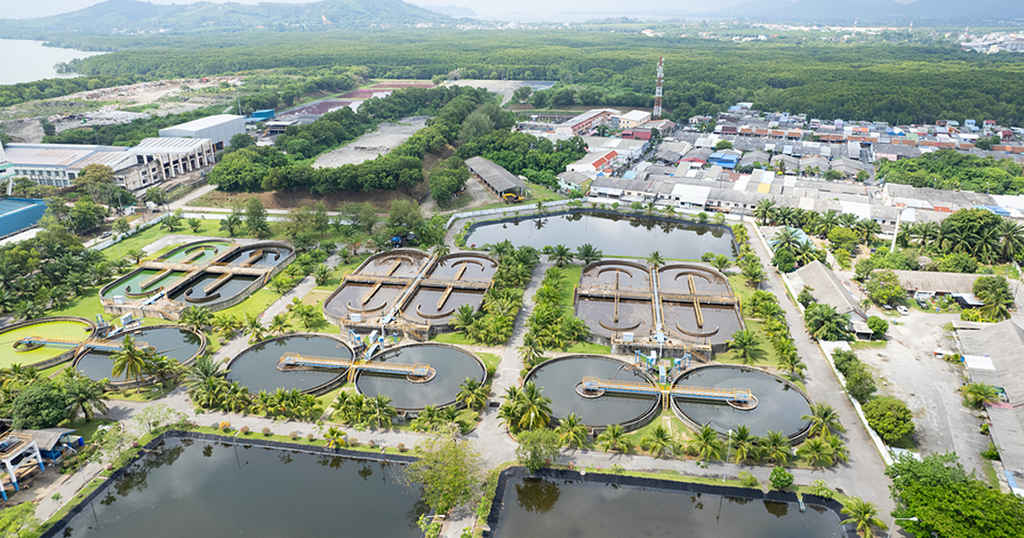


A cooling system flush can produce water that looks simple but behaves very differently once it reaches a tank, sewer connection, or treatment system. In data center wastewater treatment, flush water chemistry can shape the handling plan because pH, dissolved minerals, suspended solids, metals, and treatment residuals affect which processes make sense.
Appearance alone does not tell the full story. Clear water may still carry dissolved material that changes treatment or discharge options, while cloudy water may be dominated by solids that respond to physical separation.
Why Flush Water Chemistry Changes During Data Center Work
Flush water chemistry depends on where the water came from and what happened before it left the system. A construction or commissioning flush may pick up pipe scale, welding residue, dirt, oils, corrosion products, and cleaning chemicals as new piping is prepared for service.
A maintenance cooling system flush can look different because the water has already spent time in operating equipment. Corrosion inhibitors, scale-control products, glycol, biological-control chemicals, and dissolved minerals may influence the wastewater profile depending on the system and treatment program.
Cooling tower blowdown creates another profile. Evaporation removes water while leaving dissolved minerals behind, so conductivity and dissolved-solids concentrations can rise as water recirculates. The Department of Energy notes that the number of concentration cycles a tower can sustain depends on makeup-water quality and the water-treatment program.
Those differences explain why data center wastewater disposal should not be planned around volume alone. Two loads generated on the same project can require different handling if one is mostly suspended debris and the other contains dissolved treatment chemicals or elevated mineral content.
Water Testing Turns Chemistry Into Treatment Decisions
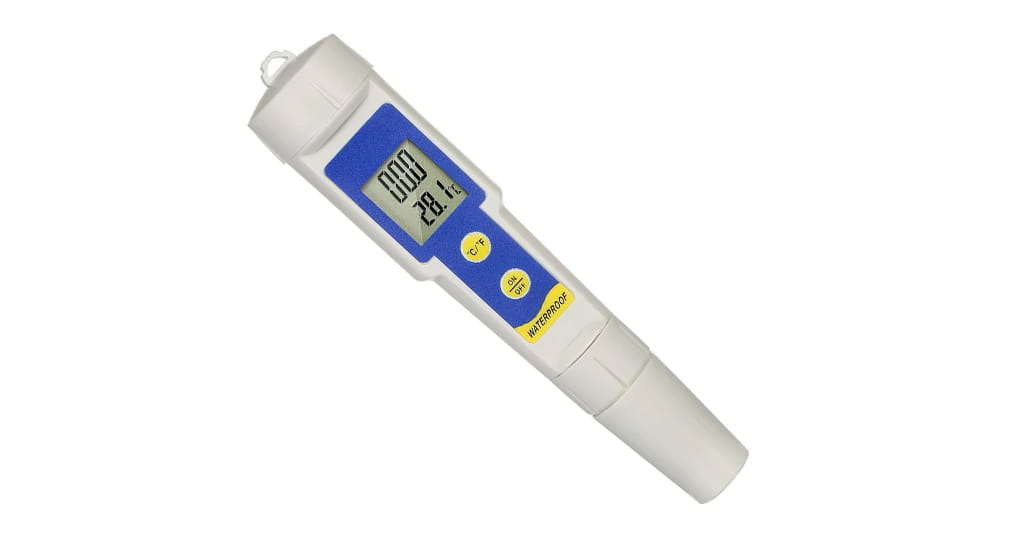
Sampling gives a treatment team a working profile before the water is moved or processed. Useful parameters vary by project, but pH, conductivity, total suspended solids, metals, hardness, alkalinity, glycol, and known treatment residuals can reveal very different treatment needs. A representative sample turns flush water chemistry into a treatment variable that can be measured instead of guessed.
Conductivity Shows How Dissolved Material Has Changed
Conductivity measures how readily water carries an electrical current and is closely related to the concentration of dissolved ions. A higher reading does not identify each compound, but it can flag a meaningful change from the source water and show when more specific analysis may be useful.
The Open Compute Project’s pre-commissioning guidance for technology cooling systems treats conductivity as an acceptance measure during flushing. Its example procedure calls for repeated filling, recirculation, and draining until outlet conductivity meets the project specification, such as within 10 to 20 microsiemens per centimeter of the original procedure water or a maximum of 60 microsiemens per centimeter.
Flush water chemistry changes as cleaning residues and dissolved material leave the loop. Tracking that change can help separate an early, dirtier cleaning phase from later rinse water instead of assuming every gallon belongs in one waste profile.
pH Can Change Treatment and Discharge Planning
pH affects chemical reactions, metal solubility, corrosion behavior, and the performance of several wastewater treatment processes. A stream that is strongly acidic or alkaline may need adjustment before later treatment steps can work as intended.
The EPA’s pretreatment rules also make pH relevant to sewer discharge. Federal regulations prohibit discharges to publicly owned treatment works that cause corrosive structural damage and set a floor of pH 5.0 unless the treatment works is specifically designed to accept a lower value.
Project teams still need to check local requirements because local limits can be more restrictive or can address pollutants that matter to a particular treatment system. A sample that falls inside one general range does not automatically settle the discharge question.
Solids and Metals Point Toward Different Removal Steps
Suspended solids can include rust, scale, sediment, construction debris, and material loosened during cleaning. Settling, filtration, clarification, or other solids-separation methods may reduce that load before later treatment, depending on particle size and the overall waste profile.
Metals need separate consideration because some may be dissolved while others are attached to particles. Iron, copper, zinc, or other metals can appear after water contacts piping, fittings, heat exchangers, treatment chemicals, or corrosion products, so analytical results should guide decisions instead of assumptions.
A wastewater treatment plan can then match the actual stream instead of relying on one standard recipe. Solids removal may be the first priority for one load, while pH adjustment, chemical treatment, or offsite wastewater treatment may fit another.
Chemistry Can Change From One Flush Stage to the Next
Treating an entire commissioning event as one uniform waste stream can hide useful differences. Early flushing often removes a heavier solids load, chemical cleaning can change pH and dissolved constituents, and later rinse cycles may show falling conductivity as the system approaches its water-quality target.
Separating those stages can make characterization more useful and keep a relatively clean later rinse from being blended with a smaller, harder-to-treat batch. Tracking flush water chemistry by stage preserves those differences instead of reducing the entire event to one average.
Maintenance work can create the same issue. Water pulled from a closed loop after a long operating period may contain a different balance of inhibitors, corrosion products, glycol, or solids than water generated after a fresh rinse.
Planning storage and hauling around expected chemistry can help keep the cooling system flush on schedule. Tanks, vacuum equipment, sampling points, and transportation can be lined up around the actual waste streams before the first drain begins.
Discharge Decisions Start With Characterization
Wastewater chemistry matters even when the preferred destination is a sanitary sewer. The EPA’s national pretreatment program applies general prohibitions, categorical standards where applicable, and local limits to industrial users discharging nondomestic wastewater to publicly owned treatment works. Reviewing flush water chemistry before the destination is locked in gives teams time to resolve treatment or acceptance questions.
Local limits deserve particular attention because they are designed around the receiving treatment plant, its processes, its sludge, and its receiving waters. A facility may therefore face limits or approval requirements that are specific to the local system rather than to data centers as an industry.
Good characterization gives the project team a basis for choosing among discharge review, onsite pretreatment, reuse, temporary storage, or waste transportation and offsite handling. Conversations with the receiving facility or treatment provider can then start with measured chemistry rather than appearance or assumptions.
Flush water chemistry is ultimately a routing question as much as a laboratory question. Once the profile is understood, treatment can be matched to the contaminants that are actually present and the destination that will receive the water.
Build the Treatment Plan Around Flush Water Chemistry
Flush water chemistry can change throughout commissioning, cleaning, and maintenance, so the treatment plan should be built around current sample data rather than a single assumption about the whole project.
Environmental Remedies supports data center projects with wastewater treatment, collection, transportation, and disposal services designed around the characteristics of each non-hazardous waste stream.
Reach out to discuss flush water chemistry and build a treatment and handling plan around the water your project is actually generating.