

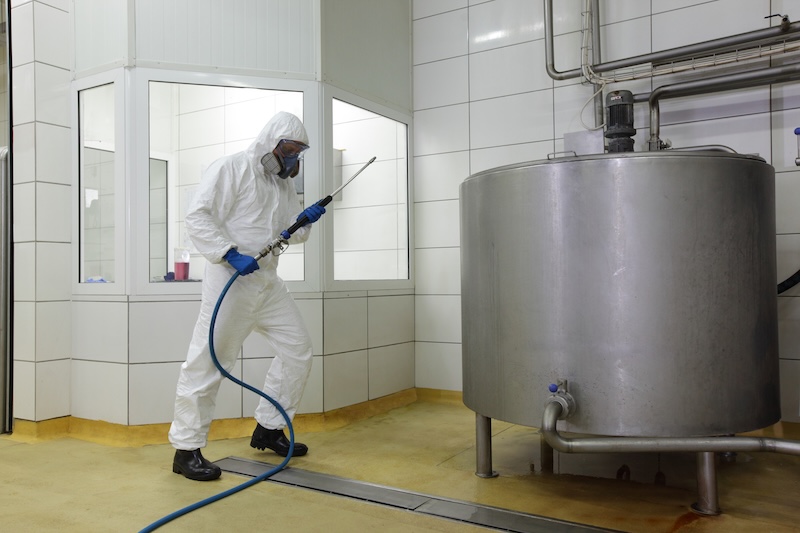


Choosing industrial pressure washing services starts with a practical question: how much force does the job actually need? The answer changes when comparing hydroblasting vs. pressure washing because each method solves a different kind of surface cleaning in industrial facilities during maintenance, shutdowns, and equipment cleaning.
Pressure washing is usually the better fit when residue sits on floors, exterior surfaces, equipment housings, pads, and traffic areas. It supports broad cleaning without treating every buildup problem like a heavy removal project.
Hydroblasting belongs in a different class. It uses much higher water pressure, specialized tooling, and a tighter safety plan to remove scale, coating, packed solids, carbon buildup, and deposits that bond to the asset itself.
The Real Difference Is Not Just Pressure
Pressure is the obvious point of comparison, but it is not the whole decision. Flow rate, nozzle shape, standoff distance, surface tolerance, operator position, and waste capture all shape the outcome.
Industrial pressure washing services usually focus on broad surface cleaning in industrial settings where the goal is to remove films, oils, dirt, loose residue, and buildup before it affects traction, sanitation, inspection, or appearance.
Specialized hydroblasting services for industrial cleaning are selected when the deposit has become harder, thicker, or bonded enough that routine cleaning would waste time. Tube interiors, tanks, process lines, exchangers, heavy floor buildup, and coating preparation often need a more concentrated stream.
| Factor | Industrial Pressure Washing Services | Hydroblasting |
| Typical Use | General industrial surface cleaning | Heavy bonded residue removal |
| Pressure Range | Lower-pressure applications | Ultra-high-pressure water blasting |
| Equipment Cleaning | Excellent for routine cleaning | Better for severe fouling |
| Surface Risk | Lower-pressure applications | Higher if improperly applied |
| Wash Water Volume | Moderate | Often higher debris load |
| Safety Controls | Important | Extensive planning required |
| Typical Applications | Floors, pads, and equipment exteriors | Tanks, exchangers, process lines |
Pressure Washing Fits Recurring Surface Cleaning Needs
Industrial pressure washing services make sense when buildup is creating daily operating friction rather than a major asset access problem. A floor with residue, a pad with tracked material, or exterior equipment covered in grime may need forceful cleaning, but not the intensity of hydroblasting.
Surface cleaning in industrial work areas often has to happen around production traffic, forklifts, dock activity, and shift changes, so the method needs to be strong enough to reset the area without turning the job into a full outage.
Pressure washing also supports equipment cleaning when soils are reachable and not deeply bonded. Housings, frames, platforms, guards, and adjacent concrete can often be cleaned as part of a planned maintenance window.
The safety plan still matters. Pressurized spray can move debris, create wet walking surfaces, spread contaminated wash water, and expose workers to splash, noise, or electrical hazards if the work zone is not controlled.
Hydroblasting Is Built For Bonded Buildup And Access Problems
Hydroblasting vs pressure washing becomes clearer once a facility asks what routine cleaning cannot remove. Hydroblasting is often used when deposits are preventing inspection, reducing flow, interfering with heat transfer, or hiding the condition of the underlying surface.
WJTA describes its waterjetting and industrial vacuum manuals as the primary reference for waterjetting and vacuum operations across North America and other regions. That matters because hydroblasting is not just a bigger washer; it is a specialized work method with its own training, equipment, and planning expectations.
High-pressure water jetting can create serious hazards. Safe Work Australia lists risks that include the water jet piercing the skin, flying debris, noise, confined spaces, falls, electric shock, and chemical exposure.
Those risks make hydroblasting a poor match for casual cleanup. It fits best when the residue problem justifies the setup, exclusion zones, tooling, communication, containment, and recovery planning around the work.
Equipment Cleaning Depends On Surface Risk
Equipment cleaning should start with surface condition, not just visible dirt. Thin materials, old coatings, gaskets, seals, instrumentation, corroded areas, and sensitive finishes can all change what kind of water force is appropriate.
OSHA’s PPE standard requires employers to assess the workplace to determine if hazards are present or likely to be present before selecting protective equipment. For pressure washing and hydroblasting work, the hazard assessment can involve spray force, splash, surface residue, noise, electrical exposure, footing, and nearby operations.
Jobs inside tanks, pits, vessels, or enclosed process areas add another layer. OSHA describes permit-required confined spaces as areas that may contain hazardous atmospheres, engulfment risks, inward-converging walls, sloped floors, or any other recognized safety or health hazard, which can include hazards that appear during cleaning.
That is why industrial confined space cleaning is usually planned as a controlled entry and recovery project, not a simple washdown. The cleaning method has to fit the entry plan, rescue plan, ventilation approach, lighting, access, and waste removal path.
Wash Water Can Decide on the Better Method
Every method that uses water creates a second job after the spray stops. The loosened material has to go somewhere, and the answer affects safety, environmental risk, downtime, and disposal planning.
Pressure washing can generate broad runoff with oils, metals, sediment, detergents, product residue, and other contaminants from the surfaces being cleaned. Hydroblasting can create a heavier waste stream because it may remove scale, coatings, dense solids, sludge, or material trapped inside equipment.
The EPA notes that federal regulations require stormwater discharges associated with specific industrial activity categories to be covered under NPDES permits, unless otherwise excluded. That does not make every wash job the same, but it does make wash water planning part of the work rather than a detail to solve afterward.
Containment, berming, vacuum recovery, temporary storage, profiling, treatment, and disposal should be matched to the material being removed. Strong waste minimization planning can reduce extra handling, prevent cross-contamination, and keep the cleaning job from creating a larger waste problem.
Industrial Pressure Washing Services Work Best When the Scope Is Honest
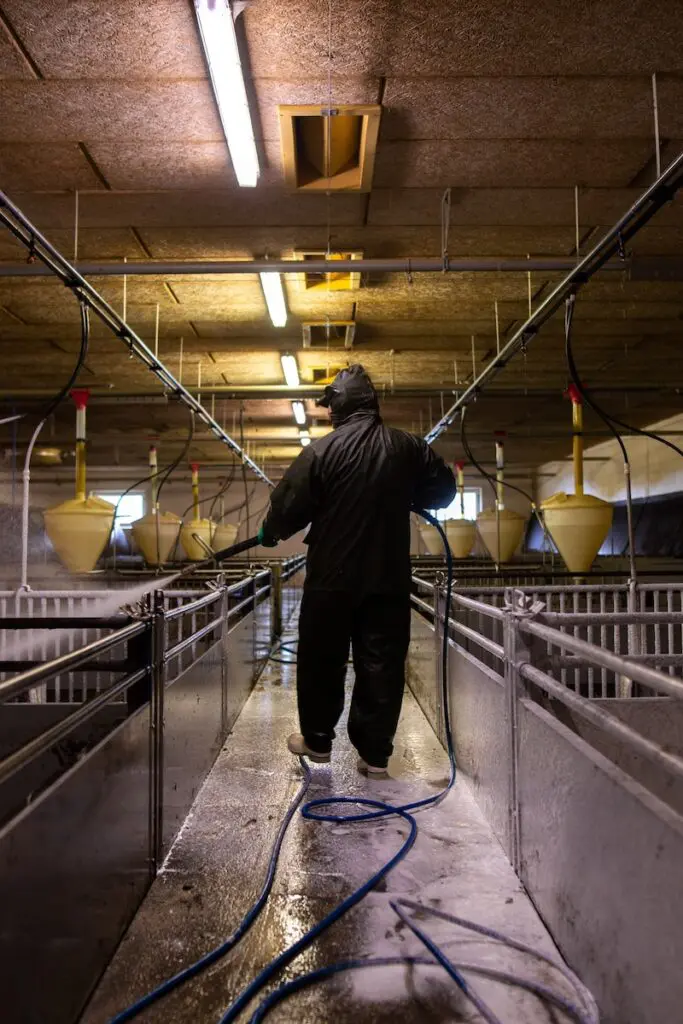
Industrial pressure washing services and hydroblasting both belong in industrial cleaning, but they should not be treated as interchangeable. Pressure washing is often the practical choice for surface cleaning in industrial areas, recurring maintenance, and reachable equipment cleaning.
Hydroblasting is the stronger fit when bonded buildup, access problems, coating removal, or severe fouling call for higher force and tighter job controls. A facility that overuses hydroblasting may add cost and risk, while a facility that under-scopes the job may leave the real problem in place.
The better decision usually comes from a walkdown that separates surface soil from bonded material, checks surface tolerance, identifies wash water paths, and defines how clean the area needs to be before production, inspection, or repair can continue.
How Facilities Choose Between Pressure Washing and Hydroblasting
The decision often comes down to three questions:
- How strongly is the material bonded to the surface?
- How much downtime is available for cleaning?
- What level of cleanliness is required before inspection, maintenance, or production can resume?
Facilities that answer these questions early can often reduce costs, improve scheduling accuracy, and avoid selecting a cleaning method that is either too aggressive or not aggressive enough for the task.
Is Hydroblasting More Expensive Than Pressure Washing?
Hydroblasting projects often require specialized equipment, additional safety controls, trained personnel, containment measures, and more extensive waste handling. As a result, hydroblasting can involve higher costs than industrial pressure washing services. However, when deposits are heavily bonded or difficult to remove, hydroblasting may be the most efficient option because it reduces labor time and improves cleaning effectiveness.
Frequently Asked Questions About Industrial Pressure Washing Services
What is the difference between hydroblasting and pressure washing?
Pressure washing is generally used for routine industrial surface cleaning, while hydroblasting uses significantly higher pressures to remove bonded deposits, coatings, scale, and heavy buildup.
When should a facility use hydroblasting instead of pressure washing?
Hydroblasting is often appropriate when buildup interferes with inspections, heat transfer, flow rates, or equipment performance and cannot be removed efficiently through standard pressure washing.
Can industrial pressure washing services support environmental compliance?
Yes. Properly planned cleaning programs that include wash water control, containment, and waste management can support environmental compliance efforts and reduce stormwater risks.
How is wash water managed during industrial cleaning?
Methods may include berming, vacuum recovery, temporary storage, treatment, and approved disposal, depending on the materials being removed and site-specific requirements.
Is hydroblasting safe?
Hydroblasting can be performed safely when supported by proper training, PPE, exclusion zones, equipment inspections, and detailed work planning.
Plan Industrial Pressure Washing Services Around The Job
Industrial pressure washing services work best when the method matches the residue, the surface, and the work window. Hydroblasting may be the right answer for tougher buildup, but the value comes from using it where the job truly calls for that level of force.
Environmental Remedies helps facilities plan industrial and equipment cleaning, wash water recovery, and waste handling as a single coordinated work package.
Key Takeaways
- Industrial pressure washing services are generally best for routine surface cleaning and equipment cleaning.
- Hydroblasting is designed for bonded deposits, coatings, scale, and severe buildup.
- Safety planning becomes increasingly important as water pressure increases.
- Wash water control should be incorporated into every industrial cleaning project.
- The most effective cleaning programs match the method to the residue and surface condition.
Reach out to Environmental Remedies today to discuss industrial pressure washing services that fit your cleaning scope, safety needs, and waste-handling plan before the work window tightens.