

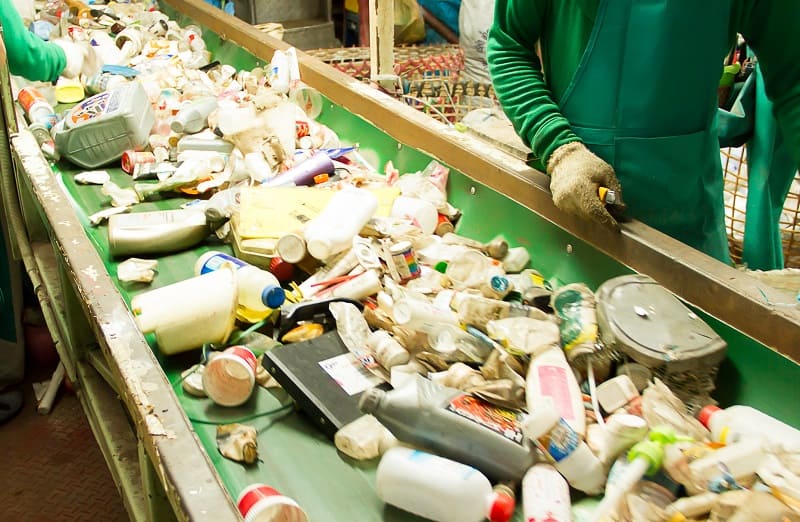


Industrial waste disposal becomes a lot simpler once a facility treats waste like a tracked material stream instead of an afterthought. A plant that can name what it produces, where it sits, and how it leaves the site usually spends less time reacting to surprises and documentation scrambles.
Industrial waste disposal decisions tighten up fast when hazardous waste handling enters the picture. Segregation, labeling, and a clear handoff plan keep one drum from turning a routine pickup into a shutdown.
Waste Characterization Sets The Pace For Every Downstream Decision
Industrial waste disposal starts with a question that sounds basic and keeps getting facilities into trouble, which is what the waste actually is. Solids, sludges, and liquids can look similar while behaving very differently in storage, transport, and treatment.
A practical approach begins with process mapping. Waste streams that share a line, a tank farm, or a cleaning step often share contaminants, which helps a team decide where sampling and testing will add real value.
Hazardous waste handling also depends on classification rules that do not care how the waste feels operationally. Listings and characteristic properties can move a material from routine handling into a regulated flow that demands tighter controls.
When waste streams get mixed, characterization gets harder. A small amount of solvent in a washdown tote can change disposal options for the entire container, which is why early segregation tends to pay for itself.
Safe Containment and On-Site Logistics Reduce Exposure and Rework
Industrial waste disposal rarely fails because a transporter shows up late. Problems show up earlier, when a container is mislabeled, incompatible materials are stored together, or a staging area creates forklift and slip hazards.
Hazardous waste handling in active production areas works best when containers match the waste and the work. Closed top drums, sealed totes, and covered roll-offs reduce splash risk, vapor release, and rainwater intrusion that can complicate treatment.
Secondary containment matters because leaks do not wait for a convenient time. A drip pan under a pump skid and a berm around a tote station can keep a minor release from turning into an environmentally reportable event.
Labeling needs to be readable from the aisle, not from three feet away. When the label matches the manifest description and the pickup schedule, waste removal services move faster, and crews spend less time sorting unknowns.
Storage time also drives decisions. A facility that lets sludge sit until a line is clogged ends up paying for rushed mobilization and after-hours work, while a steady cadence keeps both production and disposal predictable.
Common Industrial Waste Disposal Pathways And When They Fit
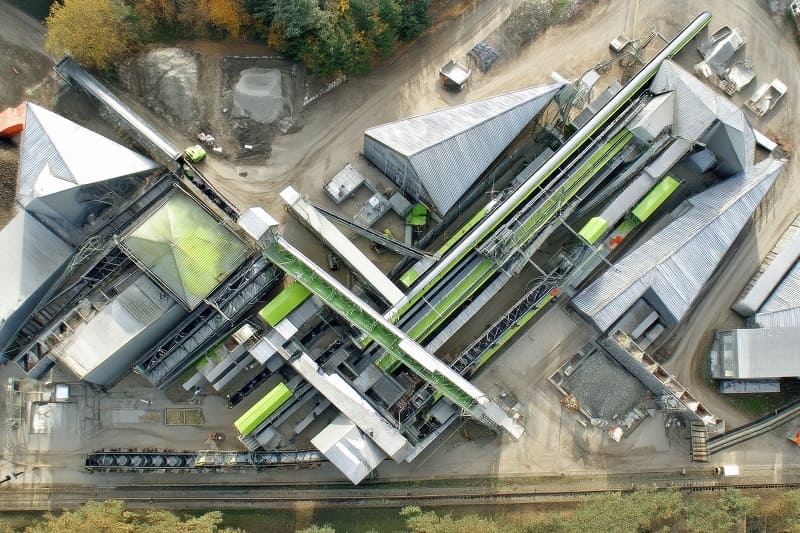
Industrial waste disposal is not one single method; it is a set of pathways tied to what the waste is, where it needs to go, and how the site wants to manage risk. The same plant can send one stream to recycling, another to wastewater treatment, and another to a permitted disposal facility.
Material recovery comes first when it is feasible. Metals, many oils, certain solvents, and some plastics can be routed to recycling or recovery streams when they are kept clean enough to be accepted by downstream facilities.
Physical separation and dewatering often sit in the middle. Sludges that carry a lot of water can be pressed, filtered, or allowed to settle so the liquid fraction can be treated separately, shrinking disposal volume and transport loads.
Chemical stabilization and solidification show up when contaminants need to be bound into a safer matrix. That approach is often paired with off-site treatment or disposal so that the waste is less mobile and easier to manage at the receiving facility.
Thermal treatment, including incineration in permitted units, can be used for wastes that need destruction or volume reduction. Facilities usually lean on specialized partners here because permitting and feed controls matter.
Landfill disposal is common for non-hazardous industrial solid waste that meets acceptance criteria. Choosing that route still requires documentation and careful screening, because the receiving facility will reject loads that do not fit its permit and profile.
Industrial waste disposal for liquids can shift toward treatment instead of disposal when contaminants are compatible with treatment systems. Wastewater pretreatment and off-site treatment options depend on what is in the liquid and how variable the stream is day to day.
Documentation And Chain Of Custody Keep A Pickup From Becoming A Liability
Industrial waste disposal is a logistics problem, and documentation is the part that tends to get audited. A facility can run a clean operation and still get stuck if a shipment cannot be traced back to its profile and generator paperwork.
EPA frames hazardous waste management as a cradle-to-grave system, and manifests are part of that traceability. The uniform hazardous waste manifest follows a shipment from the generator site to the designated receiving facility, creating a record of what moved and who handled it.
Hazardous waste handling also intersects with worker protection programs. Operations that involve hazardous substances and potential releases often rely on written safety and health programs, training, and emergency response procedures that match site conditions.
Chain of custody is not only paperwork. Seals, container counts, and clear staging instructions reduce the chances of a partial load, a mispicked container, or a spill during loading.
Waste removal services run more smoothly when the facility treats pickup day like a controlled work activity. A pre-pickup walkdown, a quick verification of labels against the load list, and an agreed traffic plan prevent last-minute decisions in tight corridors.
Using Audits And Cleanups To Reduce Disposal Volume Over Time
Industrial waste disposal costs keep rising for facilities that treat every load as a fixed fact. A waste audit, done with process owners and maintenance staff, often shows that certain waste streams could be reduced through small process changes and tighter segregation.
EPA’s Guide for Industrial Waste Management notes that approximately 7.6 billion tons of industrial solid waste are generated and disposed of each year. That scale is part of why even a minor reduction in a high-volume stream can free up storage space and lower haul frequency.
Hazardous waste handling improves with feedback loops. When a facility tracks which streams fail profiles, which loads get rejected, and which materials create spills in staging, the next month tends to run cleaner.
Spill response planning also reduces the disposal hit from an incident. Containment tools, clear shutdown triggers, and a rehearsed plan can keep a release smaller, which reduces contaminated absorbents and cleanup debris that must be managed.
Industrial Waste Disposal Without Guessing or Last-Minute Fire Drills
A steady plan keeps industrial waste disposal predictable while hazardous waste handling stays controlled. Waste removal services work best when waste is characterized, staged safely, and documented in a way that matches how it actually moves.
Industrial Waste Disposal That Supports Safer Operations
Industrial waste disposal works better when a site treats it like routine maintenance instead of a surprise expense. Hazardous waste handling gets easier when containers, labels, and pickup timing reflect how crews really work.
Waste removal services also benefit from that same discipline because fewer loads get rejected or delayed.
Reach out to Environmental Remedies to plan industrial waste disposal steps that fit your waste streams and your safety priorities.