

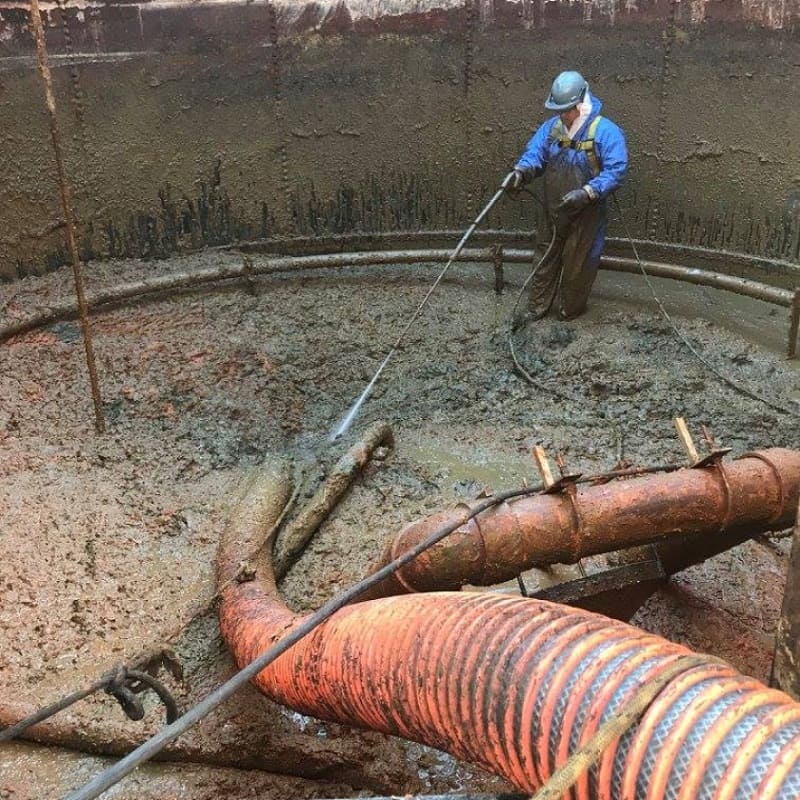


Tighter environmental rules, rising costs, and sharper sustainability goals are pushing manufacturers and service providers to industrial waste minimization, hard.
Every gallon, every pound, every kilowatt is under close and careful review. Teams are tracing how materials move through their processes, spotting loss points, and stripping out waste wherever it occurs.
The concept aligns with modern sustainability frameworks such as zero-waste manufacturing and green industrial practices to give businesses a measurable path toward waste reduction and greater resource efficiency.
Why You Need to Minimize Industrial Waste for Sustainable Growth?
Regulators have introduced stricter discharge limits, steeper penalties for noncompliance, and broader reporting. This raised the bar for companies. Raw material and disposal costs have been rising at the same time, pushing facilities to find savings inside their own walls.
Regulators aren’t the only ones putting on the pressure, though: investors, customers, and communities are all watching how well companies conserve resources and recover waste within circular models.
Organisation for Economic Co-operation and Development (OECD) data shows a clear pattern: economies that use resources efficiently often gain a double benefit: stronger competitiveness and better environmental results at the same time.
The Environmental Protection Agency’s (EPA) Sustainable Materials Management hierarchy provides a straightforward guide for prioritizing actions: source reduction, reuse, recycling, energy recovery, and, finally, treatment or disposal.
Industrial waste minimization strategies push operations higher up the waste hierarchy. The payoff is lower environmental impact through adherence to green industrial practices, smoother operating processes, and more cost-efficient production overall.
Strategy 1: Using Waste and Materials Audits to Measure What Matters
Meaningful industrial waste minimization progress depends on gathering and validating precise data about material flows and outputs.
Conducting a thorough materials and waste audit enables teams to map the flow of raw materials, water, and energy throughout the process. Good audits track waste volumes alongside the full cost of waste handling: disposal fees, energy and water losses, labor, and compliance liabilities.
Companies that partner with qualified waste treatment providers gain additional support in collecting data, sampling materials, and developing performance indicators such as kilograms of waste per ton of product or recycling rate by volume.
Strategy 2: Redesigning Processes to Prevent Waste at the Source
The United Nations Environment Programme defines clean production and zero-waste manufacturing as an integrated, preventative strategy. Waste generation is prevented at the source and focuses on process optimization, design improvements, and safer materials that reduce risk and increase efficiency.
Many practical changes fall under this concept: minimizing losses during line changeovers, switching from large multipurpose tanks to smaller or dedicated vessels that require less cleaning, or replacing high-toxicity solvents with safer alternatives.
Preventive maintenance also plays a major role. Batches that are off-spec, spilled, or leaked are often symptoms of equipment wear or sensor failures. Regular inspections and operator training go a long way in keeping waste generation low.
When outside experts review cleaning-in-place (CIP) programs, tank washing procedures, and chemical use, they can often identify “no-regret” adjustments that maintain performance while reducing chemical and water demand.
Strategy 3: Turning Waste into Opportunity via Proper Handling and Storage
Mixing incompatible or hazardous waste streams often turns recyclable materials into expensive liabilities.
Segregation is an often overlooked but powerful waste reduction tool. Industrial operations benefit from standardized container types, well-marked collection points, and a first-in, first-out inventory approach that limits or even eliminates the presence of expired chemicals and off-spec materials.
When waste management partners assess existing storage and transfer practices, they can recommend simple layout and labeling improvements that both reduce risk and enhance recycling potential.
Strategy 4: Extending Resource Life Through Reuse and Recycling
Once waste streams are properly separated, the next move is to keep materials cycling back into use. The EPA points to recycling as a practical way to conserve resources and energy while cutting landfill volumes and emissions. In industry, reuse and recycling often pay twice: cleaner outcomes and lower operating costs.
That can look very specific. Rinse water from one step becomes make-up water for the next batch. Heat or process gases are captured and redirected into other operations instead of being vented or wasted.
On-site solvent recovery units trim fresh solvent purchases and reduce disposal loads. Off-site recyclers return metals, oils, and plastics to productive use instead of sending them to landfills.
Strategy 5: Reducing Water and Pollutant Loads for Leaner Operations
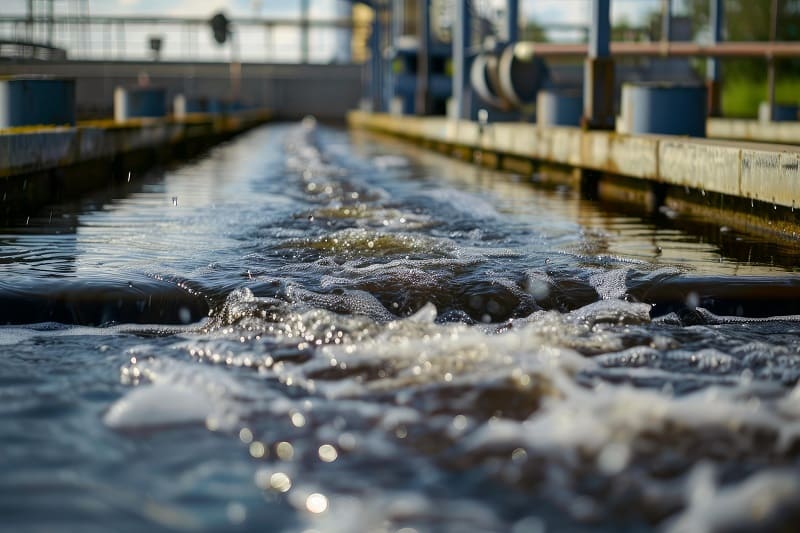
Water often carries a big share of industrial waste, so cutting use and lowering pollutant concentrations reduces both treatment load and environmental impact. Mapping water use across cleaning, cooling, and process steps can expose once-through loops that could be recirculated or reused instead of being drained away.
Upgrading cleaning methods helps too. High-pressure, low-volume systems, better nozzles, and smarter sequencing can sharply reduce water demand and contaminant loads. Pre-treatment units such as oil-water separators and pH adjustment tanks add another layer of protection before discharge. Wastewater can oftentimes be treated and reused for washing or cooling cycles.
Working with a professional wastewater treatment provider allows facilities to integrate these measures seamlessly into ongoing operations, maintaining compliance while also saving money and adhering to green industrial practices.
Strategy 6: Leveraging Best Available Techniques and Digital Monitoring
Technology offers an increasingly powerful advantage in industrial waste minimization. The OECD promotes Best Available Techniques (BAT) as the benchmark for achieving high environmental performance using practical and cost-effective technology.
Digital tools allow for real-time tracking of flow rates, energy use, and pollutant levels to help pinpoint anomalies before they become violations or costly clean-ups. Linking waste generation metrics with production data allows management to see exactly which processes contribute most to waste.
The Pollutant Release and Transfer Registers (PRTRs) create transparency by making all results public. This creates the motivation necessary for continuous improvement.
Strategy 7: Building Culture for Long-Term Commitment
Sustainable operations only succeed when employees are committed, and management is aligned. Industrial waste minimization succeeds when operators understand its value and contribute ideas for improvement.
Build everyday awareness through training. Train employees for spill prevention, segregation, and safe chemical handling. Simple routines. Clear expectations. Fewer mistakes.
Recognition and incentives then turn that awareness into a habit. Performance targets linked to recycling, water use, and waste reduction keep progress concrete and easy to see. Systems like ISO 14001 hardwire environmental objectives into audits, reviews, and corrective action cycles.
Collaboration pushes the culture beyond the plant gate. Supplier take-back programs, reusable packaging, and partnerships with recyclers or treatment specialists who bring hard-won industry experience to the table all help push waste management forward industry-wide.
Moving Toward Smarter Industrial Waste Minimization
True industrial waste minimization blends technology, process discipline, and people-driven commitment to sustainability. Each of the seven strategies outlined above offers measurable savings in materials, energy, and disposal costs. They strengthen environmental compliance as well.
To see how these principles can work for your facility, reach out to Environmental Remedies for a customized assessment and learn about an array of practical ways to advance sustainable operations.