

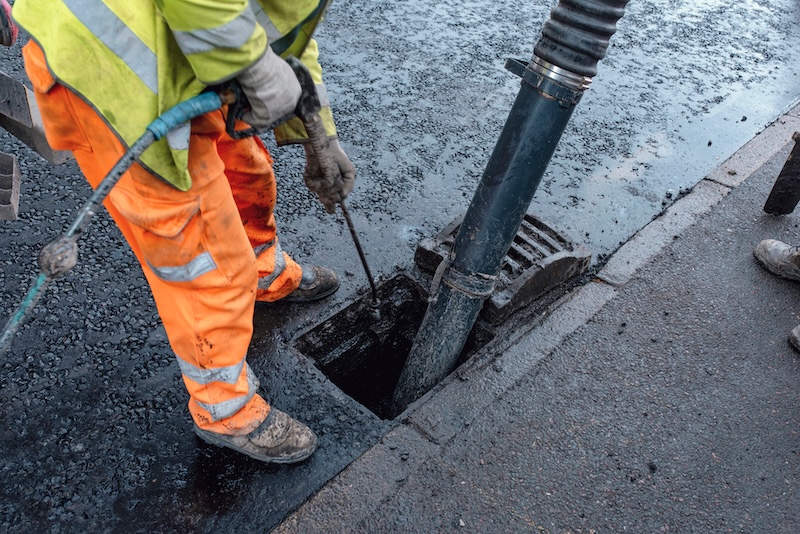


Catch basins fail quietly before they fail visibly. A grate may look clear from the surface, while sediment, leaves, trash, grit, and oily residue reduce the storage space below it.
For municipalities, utilities, and commercial properties with large paved areas, catch basin cleaning services turn stormwater compliance from a scramble into a planned maintenance task. Regular cleaning supports drainage systems maintenance, runoff control, and cleaner stormwater flow before a heavy rain exposes weak points.
Catch Basin Cleaning Services Keep Water Moving Before Storms Hit
A catch basin is supposed to give runoff somewhere to go while catching some of the junk that washes in with it. Once sediment, leaves, and trash start filling the bottom, there is less room for water when the next hard rain hits.
Once an inlet is blocked, water has to go somewhere. It can sit across parking lots, roadways, loading areas, or municipal corridors, where it starts creating pavement problems, access issues, delays, and runoff paths the drainage system was never designed for.
Usually, it is not one big thing that causes the problem. Sand settles in after small storms, leaves get mashed down, and random trash catches near the outlet pipe. Give it enough time, and a normal-looking drain can turn into the spot where the whole system backs up.
Good drainage system maintenance treats catch basins as inspection points, not just emergency cleanup locations. A cleaning schedule based on site conditions gives managers a better chance to remove buildup before it limits flow.
Stormwater Compliance Depends On What Leaves The Site
Stormwater rules cover where water goes and what runoff carries with it once it leaves the property.
The EPA’s NPDES stormwater program regulates some stormwater discharges from municipal separate storm sewer systems, construction activities, and industrial activities. That makes stormwater compliance a practical concern for public works teams, industrial sites, and commercial properties with high runoff exposure.
The EPA also notes that polluted runoff transported through MS4s is often discharged untreated into local water bodies. Catch basin cleaning cannot solve every water quality issue, but it can reduce the debris, sediment, and gross pollutants available to move downstream.
Runoff control gets harder when catch basin maintenance records are thin. A facility may have a written plan, but inspectors and internal reviewers need proof that inlets, drains, and related structures are being checked and cleaned on a realistic schedule.
A practical environmental compliance plan should connect stormwater responsibilities with specific maintenance actions. Catch basin cleaning records, waste disposal notes, inspection dates, and problem-area observations can all help show that stormwater compliance is being managed before problems reach the discharge point.
Flooding and Fines Usually Start With Small Maintenance Gaps

Flooding rarely needs a dramatic failure to cause trouble. A partially filled basin can still drain during light rain, then fall behind during a heavy storm because there is not enough free space for water and debris.
That same maintenance gap can affect compliance risk. The Clean Water Act gives regulators tools that include compliance orders, civil actions, and civil penalties for certain violations.
Federal civil monetary penalty tables are adjusted for inflation over time.
Those penalties are not automatic every time a drain clogs. Still, missed maintenance becomes harder to defend when an avoidable backup, discharge issue, or repeated nuisance condition points back to neglected stormwater infrastructure.
Runoff control should account for both wet-weather capacity and pollutant capture. Catch basins can collect sediment and debris before water moves farther through the system, but that benefit weakens when the basin is already full.
Industry guidance also favors active upkeep. Storm drainage features and installed BMPs should be inspected and cleaned of sediment and debris so systems do not carry material or clog before storm events to help with flood prevention.
Better Drainage Systems Maintenance Starts With The Pattern Of The Site
No two catch basin networks behave the same way. A municipal road with heavy tree cover, a food processing property with truck traffic, and an industrial yard with exposed aggregate can all load basins differently.
Maintenance frequency should reflect what the site actually collects. Basins near low points, loading docks, dumpsters, material storage areas, fueling zones, and construction entrances often need closer review than structures in cleaner, slower-draining areas.
Some drains load faster than others. A basin near trees, truck traffic, or a construction entrance may need service before leaf drop, after heavy storms, or once nearby work wraps up. Once crews track what comes out of each basin, the maintenance schedule becomes much less generic.
Mechanical removal also matters. Vacuum truck cleaning can remove water, sludge, grit, and debris while reducing the need for direct manual handling in difficult structures.
Waste handling should be planned before cleaning begins. Material removed from catch basins may include sediment, trash, oils, organic matter, and other residues that need suitable collection, transport, and disposal.
Facilities that already manage wastewater streams can align catch basin work with broader wastewater treatment services, especially when stormwater, wash water, or non-hazardous liquid waste needs controlled handling. That coordination keeps drainage systems maintenance from becoming a disconnected task.
Cleaning Turns Runoff Control Into A Measurable Program
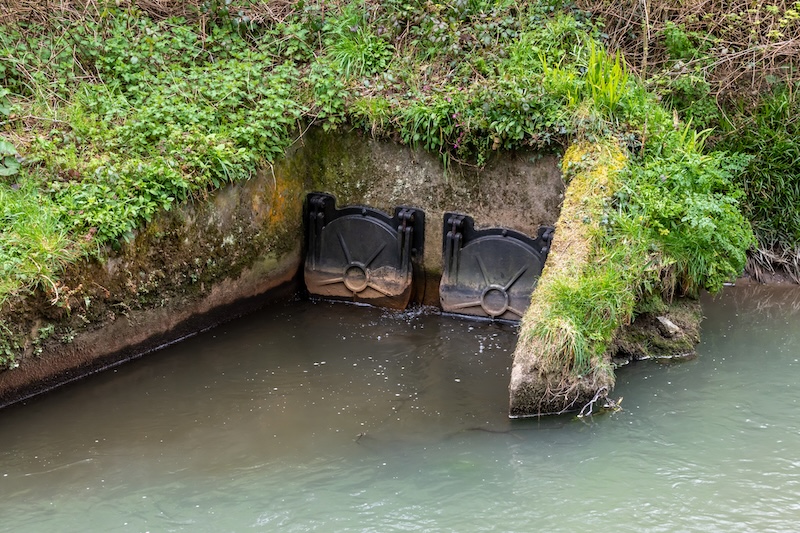
The cleanup itself is only part of the job. If crews are tracking dates, locations, photos, debris amounts, and disposal records, managers can actually see which basins are becoming problems instead of guessing later.
Those records can also guide budgeting. If several basins repeatedly fill faster than expected, the site may have an upstream erosion source, traffic pattern, housekeeping issue, or grading problem that needs attention.
For day-to-day managers, the value is simple: repeated observations from the site help turn runoff control into a maintenance program instead of a reactive cleanup task.
Catch basin cleaning services fit into that evidence-based approach. Each cleaning gives crews a look inside the system, showing whether sediment is accumulating normally or signaling a bigger drainage concern.
For sites with broader cleaning needs, industrial services may also support related maintenance around pits, sumps, separators, drains, tanks, and process areas. Keeping these systems aligned helps prevent one neglected structure from undermining the rest of the stormwater plan.
Frequently Asked Questions About Catch Basin Cleaning Services
How often should catch basins be cleaned?
Cleaning frequency depends on site conditions, surrounding vegetation, traffic volume, and runoff exposure. Many municipalities and facilities inspect catch basins annually and increase cleaning frequency in high-debris areas.
What happens if a catch basin is not cleaned?
Sediment, leaves, trash, and other debris can accumulate over time, reducing drainage capacity and increasing the risk of flooding, backups, and stormwater compliance issues.
Are catch basin cleaning services required for stormwater compliance?
While regulations vary by facility type and jurisdiction, routine catch basin maintenance is commonly included in stormwater management programs and environmental compliance plans.
What equipment is used for catch basin cleaning?
Vacuum trucks are often used to remove water, sediment, sludge, and debris efficiently while minimizing manual handling and worker exposure.
Can catch basin cleaning reduce flood risk?
Yes. Removing accumulated debris improves drainage capacity and helps stormwater systems function as designed during heavy rainfall events.
Keep Catch Basin Cleaning Services Ahead Of The Next Storm
Small drainage problems rarely stay small during heavy rain. Catch basin cleaning services give municipalities, utilities, and facility managers a practical way to support stormwater compliance, strengthen runoff control, and keep drainage system maintenance on a schedule that can be properly documented.
Environmental Remedies helps organizations across the Southeast manage cleaning, waste handling, and stormwater-related maintenance with the equipment and field experience needed for complex sites.
Contact our team today to request a quote and plan catch basin cleaning services before the next backup, inspection issue, or storm event puts your team on the defensive.