

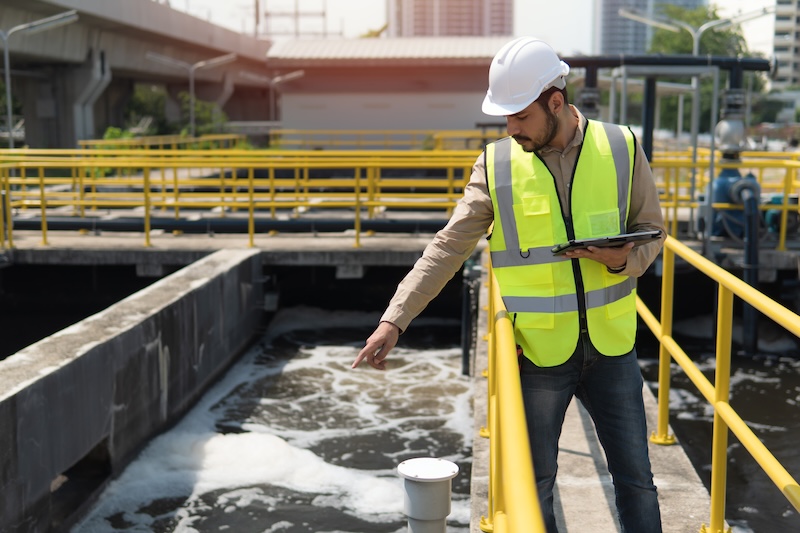


Onsite wastewater treatment can work well until volume, chemistry, staffing, and documentation start pulling attention away from production. For facilities weighing industrial wastewater treatment services, the real question is not whether an onsite system still functions; it is whether wastewater outsourcing or centralized wastewater treatment would reduce risk, delay, and operational strain.
Treating wastewater in-house can feel efficient when flows are predictable, and equipment is stable. The calculation changes when waste streams become harder to manage, disposal schedules tighten, or treatment facility operations begin competing with the work the site was built to do.
Why wastewater outsourcing becomes a stronger option over time
Industrial facilities rarely outgrow onsite treatment all at once. Strain usually appears in patterns, such as recurring overflows, lab results that require extra review, rising hauling costs, or operators spending too much time troubleshooting pumps, tanks, and controls.
The EPA’s Centralized Waste Treatment rules cover facilities that treat or recover metal-bearing, oily, and organic wastes, wastewater, or used material received from off-site. That makes centralized wastewater treatment a practical comparison point when onsite systems are absorbing work they were never designed to handle at current volume or complexity.
Sign 1: Your wastewater volume has outgrown the onsite system
A treatment setup sized for yesterday’s production may struggle when new lines, longer shifts, seasonal demand, or added cleaning cycles push more liquid through the system. Tanks fill faster, equalization time shrinks, and operators have less room to react when a batch changes character.
Industrial wastewater treatment services start to make sense when flow peaks become routine rather than occasional. Outsourced support can create added handling capacity without forcing the facility to redesign every part of its wastewater process at once.
Volume pressure also affects centralized wastewater treatment decisions. A centralized provider can receive compatible non-hazardous streams off-site, which may help a plant preserve floor space, labor hours, and production focus.
Sign 2: Chemistry keeps changing faster than the onsite process can respond
Wastewater chemistry can shift when a facility changes raw materials, coatings, detergents, production recipes, or cleaning chemicals. One week may bring oily water, the next may bring high-solids washdown, and the next may involve pH swings or metals that require different handling.
The EPA describes pretreatment standards as pollutant discharge limits that apply to industrial users. Facility teams should work with qualified environmental professionals when changing waste handling practices, because local limits, permits, and receiving systems can affect what level of pretreatment is appropriate.
Wastewater outsourcing can help when internal staff are spending too much time adjusting chemistry instead of running production. Outside treatment capacity gives the site another path for compatible streams that do not fit neatly within onsite treatment facility operations.
Sign 3: Maintenance is becoming reactive instead of planned
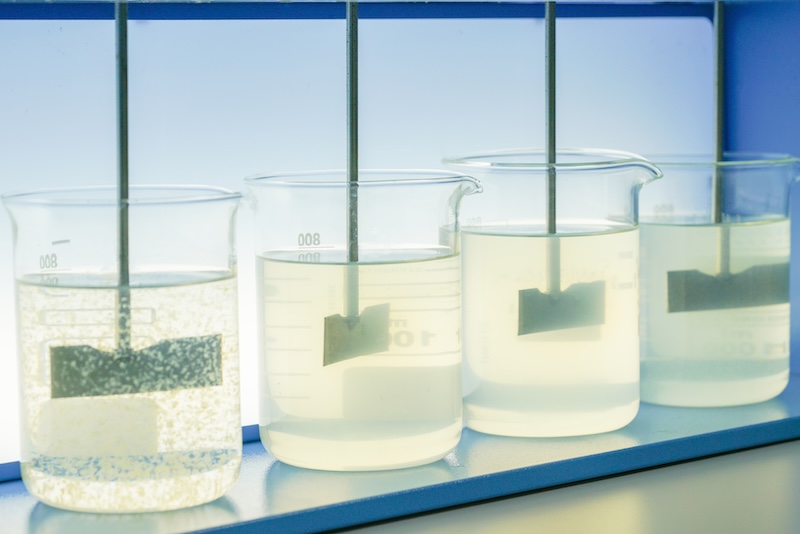
A strained wastewater system often announces itself through small interruptions before a larger failure occurs. Pumps clog, alarms repeat, solids collect in low points, and crews begin treating every week like a maintenance catch-up week.
Regular sump and pit cleaning can reduce some of that pressure, but repeated buildup may point to a broader capacity or waste characterization problem. When reactive maintenance becomes normal, onsite treatment may be consuming resources that could be better directed toward planned production support.
Safety also matters during wastewater maintenance. OSHA states that air monitoring should occur before and during work where hydrogen sulfide exposure is possible, and confined spaces require careful atmospheric evaluation under applicable standards.
A facility that lacks staffing, equipment, or training depth for that work may need outside support before maintenance demands become a recurring operational hazard.
Sign 4: Disposal logistics are creating delays and cost swings
Treatment does not end when water leaves a tank. Sludge, spent media, oily residues, containers, and rejected batches still need proper classification, transportation, treatment, or disposal.
When internal teams begin juggling multiple vendors, urgent pickups, temporary storage, and documentation gaps, waste disposal services become part of the outsourcing conversation. Waste disposal services can support a clearer path from collection to treatment to final handling, especially when the site generates several waste forms at once.
Waste disposal services also matter when transportation has become unpredictable. A plant that regularly waits for compatible trucks, tanker capacity, or disposal acceptance may benefit from wastewater outsourcing that pairs treatment planning with collection and logistics.
Sign 5: Documentation and staffing are pulling attention away from production
Wastewater records, sampling data, manifests, maintenance logs, and vendor coordination all take time. The work becomes heavier when a site manages varied streams, changing volumes, and multiple handling pathways.
The CDC’s NIOSH database notes that wastewater plant work can involve drowning, trench collapses, falls, confined spaces, chlorine, hydrogen sulfide gas, and biological agents that may cause illness. Those hazards reinforce why treatment facility operations require trained workers, documented procedures, and a clear operating structure.
A facility may still keep some treatment onsite while outsourcing harder streams, overflow volume, or periodic cleanouts. Wastewater outsourcing is often a flexible decision, not a full handoff, especially when the goal is to support internal teams rather than replace every process they manage.
How centralized wastewater treatment supports better decision-making

A centralized model can help companies separate core production from waste handling problems that keep recurring. Instead of pushing every stream through onsite equipment, a facility can evaluate which materials are better suited for outside treatment, off-site disposal, or specialized handling.
That decision should begin with waste characterization, volume patterns, transportation needs, and the condition of existing wastewater treatment equipment. Strong treatment facility operations depend on knowing what the system can handle reliably, what it can handle only under ideal conditions, and what should be routed elsewhere.
For some facilities, the best answer is a hybrid plan. Onsite treatment handles predictable streams, centralized wastewater treatment supports harder or higher-volume streams, and waste disposal services address solids, sludge, containers, and residues that sit outside normal water treatment.
Build a better plan for industrial wastewater treatment services
Outsourcing starts to make sense when onsite treatment still works, but only with growing effort. Volume pressure, shifting chemistry, reactive maintenance, and disposal delays all show where added support may be needed.
Environmental Remedies provides industrial wastewater treatment services, centralized wastewater treatment, waste disposal services, and coordinated treatment facility operations across the Southeast.
Reach out to discuss wastewater outsourcing options for streams your on-site process is no longer built to manage.
Frequently Asked Questions
What are industrial wastewater treatment services?
Industrial wastewater treatment services help manufacturers, processors, and industrial facilities manage wastewater that cannot be safely discharged without treatment. Services may include wastewater characterization, transportation, centralized treatment, waste disposal, compliance support, and ongoing operational assistance.
When should a facility outsource wastewater treatment?
Many facilities consider wastewater outsourcing when production increases, wastewater chemistry becomes more variable, and maintenance costs rise, or on-site treatment systems begin consuming excessive labor and operational resources.
What is centralized wastewater treatment?
Centralized wastewater treatment is the treatment of compatible industrial wastewater at an off-site facility specifically designed to process a variety of industrial waste streams. This approach can reduce operational burden while supporting compliance and production efficiency.
Can a facility keep some treatment onsite?
Yes. Many companies use a hybrid approach where predictable wastewater streams remain onsite while higher-volume, complex, or intermittent waste streams are sent to an off-site treatment facility.
How do industrial wastewater treatment services support compliance?
Professional wastewater treatment providers help facilities manage wastewater characterization, transportation, documentation, and treatment processes while supporting applicable federal, state, and local environmental requirements.